Minggu, 31 Agustus 2025

184+ Wooden Jewelry Box

Wooden wallpapers wallpaperaccess.com

Opening: A Beautiful DIY Wooden Jewelry Box Transform scrap wood into a stunning and functional jewelry box! This step-by-step guide will walk you through creating a beautiful wooden jewelry box perfect for storing your precious accessories. The project involves basic woodworking skills and tools, but the results are well worth the effort. Let's get started!
Step 1: Gathering Your Materials Before you begin, you'll need to gather the necessary materials and tools. Having everything on hand will make the process smoother and more efficient. Here's a list of what you'll need:
  • Wood (various sizes and types, depending on your design. Scrap wood is perfect!)
  • Wood glue
  • Clamps
  • Saw (hand saw or power saw)
  • Measuring tape
  • Pencil
  • Sandpaper (various grits)
  • Drill (optional, for hinges and hardware)
  • Hinges
  • Latch or closure
  • Wood stain or paint (optional)
  • Varnish or sealant (optional)
  • Lining material (felt, velvet, etc.)
  • Scissors or utility knife
  • Ruler or straight edge
  • Step 2: Designing Your Jewelry Box Consider the size and shape of your jewelry box. Sketch out your design, noting the dimensions of each piece of wood required for the sides, bottom, top, and any internal compartments. Think about the types of jewelry you want to store and design the interior accordingly. Will you need compartments for rings, necklaces, or bracelets? Accurate measurements are crucial for a well-fitting box.
    Step 3: Cutting the Wood Pieces Carefully measure and cut the wood pieces according to your design. Use a saw to cut the wood to the correct dimensions. Accuracy is important here, as precise cuts will result in a cleaner and more professional-looking final product. If using a power saw, take all necessary safety precautions.
    Step 4: Assembling the Box Apply wood glue to the edges of the wood pieces and clamp them together to form the main body of the jewelry box. Make sure the joints are aligned correctly. Allow the glue to dry completely according to the manufacturer's instructions. This usually takes several hours.
    Step 5: Adding the Lid Cut the wood for the lid of the jewelry box to the appropriate size. Attach the lid to the box using hinges. Ensure the hinges are properly aligned so the lid opens and closes smoothly. You may need to pre-drill holes for the screws to prevent the wood from splitting.
    Step 6: Sanding and Finishing Once the glue is dry and the lid is attached, sand the entire jewelry box to smooth out any rough edges and imperfections. Start with a coarser grit sandpaper and gradually move to finer grits for a smooth finish. After sanding, wipe the box clean with a damp cloth.
    Step 7: Staining or Painting (Optional) If desired, stain or paint the jewelry box to your liking. Apply multiple coats for a richer color, allowing each coat to dry completely before applying the next. After staining or painting, apply a varnish or sealant to protect the wood and enhance its appearance.
    Step 8: Adding the Closure Install a latch or other type of closure to keep the jewelry box securely closed. Follow the manufacturer's instructions for installing the closure.
    Step 9: Lining the Interior Measure and cut the lining material (felt, velvet, etc.) to fit the interior of the jewelry box and any compartments you've created. Apply adhesive to the inside of the box and carefully attach the lining material. Smooth out any wrinkles or bubbles.
    Step 10: Final Touches and Completion Inspect the jewelry box for any remaining imperfections and make any necessary adjustments. Clean the box thoroughly. Your DIY wooden jewelry box is now complete and ready to store your treasured accessories!
    Conclusion: A Personalized Treasure Congratulations! You've successfully crafted a beautiful and functional wooden jewelry box. This DIY project allows you to create a personalized storage solution while honing your woodworking skills. Enjoy your handcrafted treasure!

    Free Photo: Wood Background

    Free photo: wood background jooinn.com

    Free Photo: Wood Background

    Free photo: wood background jooinn.com

    Wooden Wallpapers

    Wooden wallpapers wallpaperaccess.com
    Continue reading

    Sabtu, 30 Agustus 2025

    43+ Workbench Plans

    66 workbench diy plans cutthewood.com

    ```html
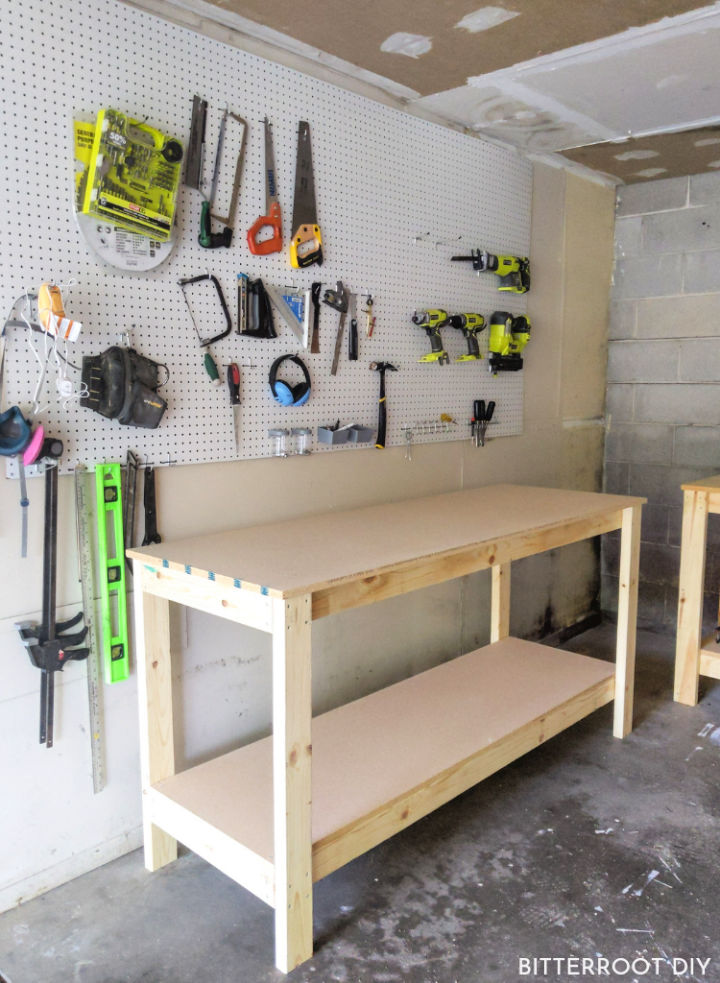
    Introduction: Building Your Own DIY Workbench This guide will walk you through the process of building a sturdy and functional workbench. A good workbench is the foundation of any workshop, providing a stable surface for all your projects. This design is simple to build and can be customized to fit your specific needs and space.
    Materials & Tools Needed: Before you begin, gather all the necessary materials and tools. This will make the building process smoother and more efficient.
    • Lumber: 4x4 posts, 2x4 framing lumber, plywood or MDF for the workbench top and shelf (dimensions will vary based on desired size)
    • Screws: Wood screws of various lengths (1 1/4", 2 1/2", 3")
    • Wood glue
    • Measuring tape
    • Pencil
    • Safety glasses
    • Hearing protection
    • Circular saw or hand saw
    • Drill with drill bits and screw driving bits
    • Clamps
    • Sanding block or sander
    • Level
    • Optional: Wood stain or paint and sealant
    Step 1: Cut the Lumber Start by cutting all your lumber to the desired lengths according to your plan. A common size for a workbench is 6 feet long, 2 feet wide, and 3 feet tall, but adjust these measurements to suit your workspace. Cut the 4x4 posts for the legs, the 2x4s for the frame, and the plywood for the top and shelf. Double-check all measurements before cutting.
    Step 2: Build the Frame Assemble the workbench frame using the 2x4 lumber. The frame consists of the top frame, the bottom frame, and the leg supports. Apply wood glue to the joints and secure them with screws. Ensure the frame is square by measuring the diagonals; they should be equal. Use clamps to hold the frame together while the glue dries.
    Step 3: Attach the Legs Attach the 4x4 legs to the inside corners of the frame. Use wood glue and screws to securely fasten them. Make sure the legs are flush with the top of the frame. Use a level to ensure the legs are plumb (perfectly vertical).
    Step 4: Add the Bottom Shelf Support Measure and cut 2x4s to create a frame for the bottom shelf. Attach this frame to the legs at your desired shelf height, typically about 1 foot from the ground. Use wood glue and screws to secure the shelf supports.
    Step 5: Attach the Workbench Top Place the plywood or MDF workbench top onto the frame. Align it carefully and secure it with wood glue and screws. Ensure the top is flush with the frame all around.
    Step 6: Add the Bottom Shelf Place the plywood or MDF shelf onto the bottom shelf supports. Secure it with wood glue and screws.
    Step 7: Sanding and Finishing Sand all surfaces of the workbench to remove any sharp edges or splinters. Start with a coarse grit sandpaper and gradually move to a finer grit for a smooth finish. Apply wood stain or paint and sealant to protect the wood and enhance its appearance. Allow the finish to dry completely before using the workbench.
    Conclusion: Enjoy Your New Workbench Congratulations! You've built your own DIY workbench. This sturdy and functional workbench will provide you with a reliable surface for all your woodworking and DIY projects. Remember to regularly inspect and maintain your workbench to ensure its longevity. You can add further customizations like a vise, drawers, or tool storage to make it even more functional for your specific needs.
    ```

    66 Workbench Diy Plans

    66 workbench diy plans cutthewood.com

    30 Free Diy Workbench Plans And Designs

    30 free diy workbench plans and designs blitsy.com

    19 Diy Workbench Plans • Insteading

    19 diy workbench plans • insteading insteading.com
    Continue reading

    Jumat, 29 Agustus 2025

    145+ Ladder Style Plant Stand

    Campfun ladder, a frame 4 step extension ladder, 17 ft anti-slip multi position ladder, aluminum www.amazon.com

    Introduction: Unleash Your Inner Gardener with a DIY Ladder Plant Stand Looking to add a touch of rustic charm and vertical greenery to your home? Building your own ladder-style plant stand is a fantastic way to display your beloved plants and showcase your DIY skills. This guide will take you through each step of the process, from gathering materials to assembling your unique plant display. Let's get started!
    Materials and Tools You'll Need Before diving in, make sure you have everything ready. This will streamline the building process and prevent frustrating interruptions. Here's a comprehensive list:
    • Lumber: Choose wood based on your desired size and aesthetic. Common choices include pine, cedar, or redwood. You'll need:
      • Two long pieces for the ladder sides (e.g., 6ft 2x4s).
      • Several shorter pieces for the shelves (e.g., 18-24in 1x6s or 1x8s – the number depends on how many shelves you want).
    • Measuring Tape
    • Pencil
    • Saw: Circular saw, miter saw, or hand saw.
    • Drill
    • Screws: Wood screws suitable for your lumber (e.g., 1 1/4" or 1 5/8").
    • Wood Glue
    • Sandpaper: Various grits for smoothing (e.g., 80, 120, 220).
    • Wood Stain or Paint (Optional)
    • Polyurethane or Sealer (Optional)
    • Safety Glasses
    • Work Gloves
    • Clamps (Optional, but helpful)
    • Level
    Step 1: Preparing the Ladder Sides The ladder sides are the backbone of your plant stand. Accurate measurements and cuts are crucial for stability.
  • Measure and cut the two long pieces of lumber to the desired height of your ladder. Ensure they are exactly the same length.
  • Sand the edges and surfaces of the ladder sides to remove any splinters and create a smooth finish.
  • If you plan to stain or paint, now is a good time to apply a base coat (optional). Let it dry completely before proceeding.
  • Step 2: Cutting and Preparing the Shelves The shelves will hold your plants, so choose the width and depth carefully based on the size of your pots.
  • Determine the desired width of each shelf. Common widths are between 18 and 24 inches.
  • Cut the shelf pieces to the determined width. Make sure each shelf for the same level has the same depth.
  • Sand all sides and edges of the shelf pieces for a smooth finish.
  • (Optional) Apply stain or paint to the shelves, matching or complementing the ladder sides. Allow to dry completely.
  • Step 3: Assembling the Ladder Frame This step involves attaching the ladder sides to create the basic structure.
  • Lay the two ladder sides parallel to each other on a flat surface. The distance between them will determine the overall width of your plant stand. A common starting point is around 12-18 inches at the top, widening slightly towards the bottom for stability.
  • Use a level to ensure the sides are plumb and the ladder is stable before attaching any shelves.
  • Step 4: Attaching the Shelves Now, it's time to add the shelves that will house your plants.
  • Determine the spacing between each shelf. A common spacing is between 10-14 inches, but adjust based on the height of your plants. Mark the locations for each shelf on the inside of the ladder sides.
  • Apply wood glue to the edges of the ladder sides where each shelf will be attached.
  • Position the first shelf between the ladder sides, aligning it with the marked locations. Use clamps to hold the shelf in place while you screw it in.
  • Drill pilot holes through the ladder sides and into the edges of the shelf. This prevents the wood from splitting.
  • Secure the shelf to the ladder sides using wood screws. Use two screws per side for a strong connection.
  • Repeat steps 3-5 for each remaining shelf, working your way up the ladder.
  • Double-check that all shelves are level before the glue dries.
  • Step 5: Finishing Touches The final steps will enhance the appearance and protect your plant stand.
  • Once the glue is completely dry, remove the clamps.
  • Sand any rough edges or surfaces that you may have missed.
  • If you haven't already, apply stain or paint to the entire plant stand. Let it dry completely according to the manufacturer's instructions.
  • Apply a coat of polyurethane or sealer to protect the wood from moisture and wear. This is especially important if you plan to use the plant stand outdoors. Let it dry completely.
  • Conclusion: Enjoy Your DIY Ladder Plant Stand! Congratulations! You've successfully built your own ladder-style plant stand. Now, it's time to arrange your favorite plants and enjoy your beautiful new display. This stand will not only showcase your plants but also add a personal touch to your home decor. Feel free to customize the design and materials to create a truly unique piece that reflects your style. Happy gardening!

    Buy Rikade Telescoping Ladder, A-frame Aluminum Telescopic Ladder With 1-button Retraction

    Buy rikade telescoping ladder, a-frame aluminum telescopic ladder with 1-button retraction www.desertcart.sg

    Campfun Ladder, A Frame 4 Step Extension Ladder, 17 Ft Anti-slip Multi Position Ladder, Aluminum

    Campfun ladder, a frame 4 step extension ladder, 17 ft anti-slip multi position ladder, aluminum www.amazon.com

    Little Giant Ladders Mightylite M8 Fiberglass 8-ft Type 1a

    Little giant ladders mightylite m8 fiberglass 8-ft type 1a www.lowes.com
    Continue reading

    Kamis, 28 Agustus 2025

    104+ Storage Bench With Cushion

    Prepac elite 80 in. w x 89 in. h x 16 in. d storage cabinet set c black 6-piece-brsx-1012-6m www.homedepot.com

    Introduction: Create Your Own Storage Bench with Cushion This guide walks you through building a functional and stylish storage bench with a comfortable cushion. This DIY project is perfect for adding extra seating and concealed storage to any room. We'll cover everything from material selection to cushion creation.
    Step 1: Gather Your Materials You'll need the following materials for this project. The exact quantities will depend on the desired size of your bench.
  • Lumber (plywood, pine, or your choice of wood): for the bench frame, sides, top, and bottom.
  • Wood screws: various lengths for assembling the frame.
  • Wood glue: for stronger joints.
  • Hinges: for the bench lid.
  • Sandpaper: various grits for smoothing the wood.
  • Wood filler: for filling nail holes and imperfections.
  • Paint, stain, or varnish: for finishing the bench.
  • Foam cushion: for the seat.
  • Fabric: for covering the cushion.
  • Batting (optional): for extra cushion fluff.
  • Staple gun and staples: for attaching fabric to the cushion.
  • Sewing machine (optional): for creating a cushion cover.
  • Measuring tape
  • Pencil
  • Saw (circular saw, jigsaw, or hand saw)
  • Drill
  • Screwdriver
  • Clamps
  • Step 2: Design and Cut the Wood Measure the space where you plan to place the bench to determine the ideal dimensions. Sketch out a design of your bench, noting the length, width, and height. Then, based on your design, cut the lumber into the necessary pieces for the bench frame, sides, top, bottom, and lid. Accuracy is key here to ensure a well-fitting bench. Use a level to ensure all pieces are square.
    Step 3: Assemble the Bench Frame Begin assembling the bench frame by attaching the side pieces to the bottom piece using wood glue and screws. Clamp the pieces together while the glue dries. Then, attach the front and back pieces to the sides and bottom, again using wood glue and screws. Make sure the frame is square before the glue sets.
    Step 4: Attach the Sides and Top Attach the pre-cut side panels to the frame, using wood glue and screws. Ensure they are flush with the frame. Next, attach the bottom panel in the same manner. Finally, attach the top panel, which will serve as the seat and lid for the storage bench.
    Step 5: Create the Lid The top panel you've already attached will become the lid. Now, attach the hinges to the back edge of the lid and the back of the bench frame. This will allow the lid to open and close. Test the hinges to ensure smooth operation.
    Step 6: Sand, Fill, and Finish Sand all surfaces of the bench to create a smooth finish. Use wood filler to fill any nail holes, screw holes, or imperfections. Once the wood filler is dry, sand it smooth. Apply your chosen finish: paint, stain, or varnish. Apply multiple coats, allowing each coat to dry completely before applying the next. Sand lightly between coats for the smoothest finish.
    Step 7: Create the Cushion Cut the foam cushion to the size of the bench lid. Cut the fabric larger than the foam, allowing for seam allowances or enough fabric to wrap around the foam. If you're using batting, wrap the foam in batting for extra fluff. Then, wrap the fabric around the foam and batting (if used) and secure it to the underside of the foam using a staple gun. Pull the fabric taut to create a smooth, wrinkle-free surface. Alternatively, sew a custom cushion cover with a sewing machine, adding zippers or buttons if desired.
    Step 8: Attach the Cushion (Optional) You can either leave the cushion loose on the bench or attach it for a more secure fit. If you choose to attach it, you can use Velcro strips or fabric adhesive to secure the cushion to the bench lid.
    Conclusion: Enjoy Your New Storage Bench Congratulations! You've successfully built a storage bench with a cushion. This functional and stylish piece of furniture will provide extra seating and valuable storage space. Customize it with your favorite colors and fabrics to match your decor.

    Prepac Elite 80 In. W X 89 In. H X 16 In. D Storage Cabinet Set C Black 6-piece-brsx-1012-6m

    Prepac elite 80 in. w x 89 in. h x 16 in. d storage cabinet set c black 6-piece-brsx-1012-6m www.homedepot.com

    Self Storage Units In Niceville, Fl

    Self storage units in niceville, fl www.kostorage.com

    Storage Units In Dublin

    Storage units in dublin www.storageunitsdublin.com
    Continue reading

    Rabu, 27 Agustus 2025

    193+ Kids Wooden Desk With Drawers

    Infographic: how do i get my kids outside? novakdjokovicfoundation.org

    ```html
    Introduction: Creating Your Own Kids' Wooden Desk
    Building a custom wooden desk for your child can be a rewarding project. Not only can you tailor it to their specific needs and space, but you can also create a piece of furniture that's both durable and stylish. This step-by-step guide will walk you through the process of building a simple, but functional, wooden desk with drawers, perfect for kids. Remember to always prioritize safety when working with power tools.
    Materials and Tools You'll Need
    Before you begin, gather all the necessary materials and tools. This will streamline the building process and prevent unnecessary delays.
    • Wood: Pine, poplar, or plywood are good choices. You'll need enough for the desktop, legs, drawer fronts, drawer sides, drawer bottoms, and drawer supports. Consider pre-cut lumber to save time.
    • Drawer Slides: Choose the appropriate length based on your desired drawer depth.
    • Wood Screws: Various sizes will be needed for different parts of the construction.
    • Wood Glue: High-quality wood glue is essential for strong joints.
    • Sandpaper: Different grits (e.g., 80, 120, 220) for smoothing surfaces.
    • Wood Finish: Paint, stain, or varnish to protect and beautify the desk.
    • Measuring Tape Accuracy is important, so make sure you can measure effectively.
    • Pencil For marking cutting lines and measurements.
    • Saw: Circular saw, jigsaw, or hand saw for cutting the wood.
    • Drill: For drilling pilot holes and driving screws.
    • Screwdriver: Or drill with screwdriver bits.
    • Clamps: For holding pieces together while glue dries.
    • Safety Glasses Protecting your eyes is paramount, so always wear these.
    • Dust Mask: Woodworking creates dust, so protect your lungs.
    Step 1: Planning and Design
    Determine the dimensions of the desk based on the child's age, height, and available space. Consider the height of the chair they will be using. Draw a simple sketch or use online desk design tools to visualize the final product. Decide on the number and size of the drawers. Note down all measurements carefully.
    Step 2: Cutting the Wood
    Using your measurements from Step 1, cut the wood pieces to the required sizes. Ensure accurate cuts for a professional finish. If using power tools, always follow safety precautions and wear appropriate safety gear.
  • Desktop: Cut the desktop to your desired length and width.
  • Legs: Cut four legs, making sure they are all the same length. A common desk height is around 24-30 inches for children.
  • Drawer Fronts: Cut the drawer fronts to fit the drawer openings. Allow a small overlap for aesthetic appeal.
  • Drawer Sides, Bottoms, and Backs: Cut these to create the drawer boxes, ensuring they fit properly within the desk frame.
  • Drawer Supports: Cut these to fit under the desktop to provide support for the drawers.
  • Step 3: Assembling the Desk Frame
    Attach the legs to the desktop. Use wood glue and screws for a strong and stable connection. Ensure the legs are evenly spaced and aligned. Clamps are helpful for holding the pieces together while the glue dries. Reinforce with additional support pieces if needed.
    Step 4: Building the Drawers
    Assemble the drawer boxes using wood glue and screws. Ensure the drawers are square and sturdy. Attach the drawer fronts to the drawer boxes, aligning them carefully. Consider using a brad nailer for temporary fixation while the glue dries.
    Step 5: Installing Drawer Slides
    Attach the drawer slides to the inside of the desk frame and the sides of the drawer boxes. Follow the manufacturer's instructions for proper installation. Test the drawer slides to ensure smooth operation. Drawer slides come in different styles (e.g., side-mount, bottom-mount), so choose the one that best fits your design.
    Step 6: Installing Drawer Supports
    Attach the drawer supports to the underside of the desktop. These supports will provide a surface for the drawer slides to attach to and help distribute the weight of the drawers. Use wood glue and screws for a secure connection.
    Step 7: Sanding and Finishing
    Sand all surfaces of the desk and drawers to create a smooth finish. Start with a coarser grit sandpaper (e.g., 80) and gradually move to finer grits (e.g., 120, 220). Wipe away the sanding dust before applying the finish. Apply your chosen wood finish (paint, stain, or varnish) according to the manufacturer's instructions. Allow the finish to dry completely before using the desk. Multiple coats may be necessary for durability and desired appearance.
    Step 8: Final Touches
    Add drawer pulls or knobs to the drawer fronts. Consider adding cable management solutions or a pencil tray to the desk for added functionality. Inspect the desk for any sharp edges or splinters and sand them down.
    Conclusion: Enjoy Your Custom-Built Desk
    Congratulations! You've successfully built a custom wooden desk for your child. This DIY project not only saves money but also allows you to create a piece of furniture that's perfectly tailored to their needs and space. Your child now has a dedicated workspace that encourages creativity and learning. Remember to regularly check the desk for any loose screws or damage and make necessary repairs to ensure its longevity.
    ```

    Infographic: How Do I Get My Kids Outside?

    Infographic: how do i get my kids outside? novakdjokovicfoundation.org

    Act For Kids

    Act for kids www.actforkids.com.au

    The Secrets To Happy Children

    The secrets to happy children www.angelibebe.com
    Continue reading

    Selasa, 26 Agustus 2025

    64+ Wooden Storage Cube Bench

    Cube storage wooden bench by novamobili www.archiproducts.com

    Opening: Building Your Own Wooden Storage Cube Bench Are you looking for a stylish and functional piece of furniture? A wooden storage cube bench is a fantastic DIY project! It provides seating, ample storage, and a rustic or modern touch, depending on your chosen finish. This guide will walk you through the steps to create your very own.
    Step 1: Planning and Materials Before you start building, carefully plan the dimensions of your bench. Consider the space where you'll place it and the items you intend to store inside. Once you have your dimensions, create a cut list for all the wooden pieces.
  • Wood: Select your wood. Popular choices include pine, plywood, or reclaimed wood.
  • Fasteners: Wood screws, nails, or pocket screws.
  • Wood Glue: For a stronger bond.
  • Finishing Supplies: Sandpaper, stain, paint, varnish, or sealant.
  • Tools: Saw (circular saw, table saw, or hand saw), drill, measuring tape, square, sandpaper or sander, clamps, safety glasses, and ear protection.
  • Step 2: Cutting the Wood Carefully cut all the wood pieces according to your cut list. Precision is key for a professional-looking bench. Double-check your measurements before each cut.
  • Cut the side panels.
  • Cut the top and bottom panels.
  • Cut the back panel.
  • Cut the front panel (if applicable, some designs leave the front open).
  • Cut the internal dividers and supports (if you're adding them).
  • Step 3: Assembling the Box Begin assembling the main box structure. Apply wood glue to the edges of the side panels and attach the top and bottom panels. Secure with screws or nails. Use clamps to hold the pieces together while the glue dries. Ensure the corners are square for a stable bench.
  • Apply glue to the side panel edges.
  • Attach the top and bottom panels.
  • Secure with screws or nails.
  • Clamp and let dry.
  • Step 4: Adding the Back and Front (Optional) Attach the back panel to the assembled box using glue and screws or nails. If your design includes a front panel, attach it in the same way. If you're leaving the front open, proceed to the next step.
  • Attach the back panel with glue and screws/nails.
  • If applicable, attach the front panel with glue and screws/nails.
  • Step 5: Installing Internal Dividers and Supports (Optional) If you want to create individual storage compartments or add extra support, install internal dividers and supports. Measure carefully and attach them using glue and screws. These will increase the bench's sturdiness and organization.
  • Measure and mark divider/support locations.
  • Apply glue to the edges of the dividers/supports.
  • Secure with screws.
  • Step 6: Sanding and Finishing Once the glue is completely dry, sand the entire bench to smooth out any rough edges and prepare the surface for finishing. Start with a coarser grit sandpaper and gradually move to a finer grit. Wipe away any sawdust before applying the finish. Apply your chosen finish (stain, paint, varnish, or sealant) according to the manufacturer's instructions. Multiple coats may be needed for the desired look and protection.
  • Sand the entire bench smooth.
  • Wipe away sawdust.
  • Apply stain, paint, varnish, or sealant.
  • Let dry completely.
  • Apply additional coats as needed.
  • Conclusion: Enjoy Your New Storage Bench Congratulations, you've built your own wooden storage cube bench! Place it in your desired location and enjoy the added seating and storage space. Remember that customization is key – feel free to adapt this guide to suit your specific needs and preferences. With a little effort, you can create a beautiful and functional piece of furniture that you'll enjoy for years to come.

    Storage Cube Bench

    Storage cube bench freewoodworkingplan.com

    Cube Storage Bench

    Cube storage bench www.pinterest.com

    Cube Storage Wooden Bench By Novamobili

    Cube storage wooden bench by novamobili www.archiproducts.com
    Continue reading

    Senin, 25 Agustus 2025

    53+ Ladder Style Bookshelf

    Louisville ladder 8' fiberglass step ladder, 12' reach, 375 lbs load capacity, fs1308hd www.walmart.com

    Introduction: Level Up Your Storage with a DIY Ladder Bookshelf Ready to add a touch of rustic charm and clever storage to your space? Building a ladder bookshelf is a fantastic DIY project that's both functional and stylish. This step-by-step guide will walk you through the process of creating your own eye-catching ladder bookshelf.
    Materials You'll Need:
  • Two (2) 8-foot long 2x4 lumber (for the ladder rails)
  • Five (5) 3-foot long 1x12 lumber (for the shelves adjust length to your desired shelf width)
  • Measuring tape
  • Pencil
  • Safety glasses
  • Hearing protection
  • Circular saw (or hand saw)
  • Drill
  • Wood screws (1 1/4 inch and 2 inch)
  • Wood glue
  • Sandpaper (various grits: 80, 120, 220)
  • Wood stain or paint (optional)
  • Rags or brushes for staining/painting (optional)
  • Clamps
  • Step 1: Prepare the Ladder Rails First, cut the 2x4 lumber to the desired height of your ladder. An 8-foot piece of lumber will naturally create a slanted ladder. You may choose to trim them down to a shorter, more manageable length. Use the saw to ensure a straight, clean cut on both boards. Sand the edges of the 2x4s smooth to prevent splinters.
    Step 2: Cutting the Shelves Using the 1x12 lumber, cut each piece to 3 feet in length (or your desired shelf width). You should now have five equally sized shelf pieces. Sand all surfaces and edges of the shelf boards to a smooth finish. Start with coarser grit sandpaper (80 or 120) and move to finer grit (220) for the final smoothing.
    Step 3: Determining Shelf Placement Lay one of the ladder rails (2x4s) flat on the floor. Using your measuring tape and pencil, mark the desired locations for each shelf along the rail. Start from the bottom, spacing the shelves evenly or according to your preference. A common spacing is between 12 and 18 inches. Mirror these markings onto the second ladder rail, ensuring the shelves will be level.
    Step 4: Attaching the Shelves Apply wood glue to the edge of the first shelf board where it will meet the ladder rail. Position the shelf board onto the marked location on the first ladder rail and clamp it securely in place. Predrill pilot holes through the ladder rail and into the edge of the shelf board. Secure the shelf to the ladder rail with 2-inch wood screws. Repeat this process for the other end of the shelf, attaching it to the second ladder rail. Make sure everything is square before the glue dries. Repeat this process for the remaining four shelves.
    Step 5: Reinforcing the Shelves (Optional) For added stability, consider adding support brackets underneath each shelf where it connects to the ladder rails. These brackets can be made from small pieces of scrap wood. Secure them with wood glue and 1 1/4 inch wood screws.
    Step 6: Sanding and Finishing Once the glue has dried completely, thoroughly sand the entire bookshelf. Pay attention to any rough edges or uneven surfaces. Wipe away any sanding dust with a clean cloth. At this point, you can choose to stain or paint your bookshelf. Apply the stain or paint evenly, following the manufacturer's instructions. Allow it to dry completely.
    Step 7: Final Touches Inspect your finished ladder bookshelf for any imperfections. Add a second coat of stain or paint if desired. Once dry, your new ladder bookshelf is ready to be placed and decorated!
    Conclusion: Enjoy Your Handmade Ladder Bookshelf! Congratulations on building your own ladder bookshelf! This project offers a stylish and functional storage solution that adds a personal touch to any room. The adjustable shelf spacing allows for customization, and the rustic design complements a variety of decor styles. Enjoy your new creation and the added storage it provides!

    Louisville Ladder 8' Fiberglass Step Ladder, 12' Reach, 375 Lbs Load Capacity, Fs1308hd

    Louisville ladder 8' fiberglass step ladder, 12' reach, 375 lbs load capacity, fs1308hd www.walmart.com

    Ladders

    Ladders industrialladder.com

    Buy Ladder, A Frame 4 Step Ladder Extension, 14 Ft Anti-slip Multi Position & Storage Folding

    Buy ladder, a frame 4 step ladder extension, 14 ft anti-slip multi position & storage folding www.desertcart.nz
    Continue reading

    Minggu, 24 Agustus 2025

    172+ Woodworking Plans For Sewing Table

    Portable: sewing machine table woodworking plans vipwood.blogspot.com

    ```html
    Introduction: Building Your Own Sewing Table Want a sewing table perfectly tailored to your needs? Building your own DIY sewing table is a rewarding project that allows you to customize the size, storage, and features. This step-by-step guide will walk you through the process, from planning to finishing.
    Step 1: Planning and Design Before you start cutting wood, careful planning is crucial. Consider these factors:
  • Space: Measure the area where you'll be placing the sewing table.
  • Size: Determine the ideal tabletop size based on your sewing machine and workspace needs.
  • Storage: Decide what type of storage you need – drawers, shelves, or a combination.
  • Ergonomics: Think about the height of the table to ensure comfortable sewing.
  • Create a sketch with dimensions, including the tabletop, legs, storage compartments, and any other features you desire. You can find inspiration online for sewing table designs.
    Step 2: Gathering Materials and Tools Once you have a design, create a material list and purchase the necessary lumber, hardware, and finishes. Common materials include:
  • Wood: Plywood, hardwood (e.g., pine, oak, maple)
  • Screws/Nails: Various sizes for assembly
  • Wood Glue: For strong joints
  • Drawer Slides: For drawers
  • Knobs/Pulls: For drawers and doors
  • Sandpaper: Different grits for smoothing
  • Finish: Stain, paint, varnish, or polyurethane
  • Tools: Saw (circular saw, jigsaw, or hand saw), drill, screwdriver, measuring tape, square, sandpaper, clamps, safety glasses
  • Step 3: Cutting the Wood Following your plan, carefully cut all the wood pieces to the correct dimensions. Accuracy is important for a professional-looking result. Use a saw guide or miter saw for straight cuts. Label each piece as you cut it to avoid confusion during assembly. Consider the thickness of your saw blade when measuring and cutting.
    Step 4: Assembling the Frame Begin by assembling the table's frame. This usually involves connecting the legs to the tabletop support structure. Use wood glue and screws to create strong, stable joints. Clamp the pieces together while the glue dries to ensure a tight bond. Check for squareness regularly during assembly.
    Step 5: Building Storage Compartments (Drawers/Shelves) If your design includes drawers or shelves, construct them next. For drawers, assemble the drawer boxes, install the drawer slides, and attach the drawer fronts. For shelves, create the supports and attach the shelves to the frame. Ensure drawers slide smoothly and shelves are level.
    Step 6: Attaching the Tabletop Carefully attach the tabletop to the frame. Use wood glue and screws from underneath to avoid visible screw holes on the top surface. Ensure the tabletop is centered and flush with the frame. Clamp the tabletop to the frame while the glue dries.
    Step 7: Sanding and Finishing Thoroughly sand all surfaces to create a smooth finish. Start with a coarser grit sandpaper and gradually move to finer grits. Remove all dust before applying the finish. Apply your chosen finish according to the manufacturer's instructions. This may involve multiple coats with sanding in between.
    Step 8: Installing Hardware Install the drawer knobs/pulls, hinges (if any), and any other hardware. Make sure the hardware is properly aligned and securely attached.
    Conclusion: Enjoy Your Custom Sewing Table! Congratulations! You have successfully built your own DIY sewing table. Enjoy your new, customized workspace and happy sewing! Inspect all joints and connections for stability. Address any loose parts or imperfections. Consider adding a protective mat to the tabletop for added durability.
    ```

    Portable: Sewing Machine Table Woodworking Plans

    Portable: sewing machine table woodworking plans vipwood.blogspot.com

    Printable Plans For A Sewing Table

    Printable plans for a sewing table stansplans.com

    Woodworking Plans Folding Sewing Table « Clumsy85brl

    Woodworking plans folding sewing table « clumsy85brl clumsy85brl.wordpress.com
    Continue reading

    Sabtu, 23 Agustus 2025

    106+ Woodworking Wooden Windmill Plans Pdf Free Download

    Windmill 1 www.scribd.com

    Opening: Bringing a Touch of Whimsy to Your Garden Dreaming of adding a charming, rustic touch to your outdoor space? Building your own wooden windmill is a rewarding project that combines woodworking skills with artistic expression. This guide will walk you through the process, step-by-step, from gathering materials to admiring your finished creation. Let's get started!
    Step 1: Gathering Your Materials Before you begin, ensure you have all the necessary materials and tools on hand. This will save you time and frustration later on.
  • Wood: Pine or cedar are good choices for their durability and workability. Consider pressure-treated lumber for extended outdoor life. You'll need various thicknesses for the base, tower, blades, and decorative elements.
  • Fasteners: Wood screws, nails, and wood glue will hold everything together. Choose exterior-grade fasteners to resist rust and corrosion.
  • Hardware: A swivel mechanism (a lazy Susan bearing works well) will allow the windmill blades to turn freely.
  • Tools: A saw (circular saw, hand saw, or miter saw), drill, screwdriver, measuring tape, level, sandpaper, pencil, and safety glasses are essential. A wood router can be helpful for creating decorative edges.
  • Finish: Paint, stain, and/or sealant will protect the wood and enhance its appearance. Choose outdoor-rated products.
  • Step 2: Building the Base The base provides a stable foundation for your windmill.
  • Cut the Base Pieces: Cut four pieces of wood to form a square or rectangular frame. The size of the base will determine the overall height and width of your windmill.
  • Assemble the Frame: Join the frame pieces using screws and wood glue. Ensure the corners are square.
  • Add Support: Attach additional pieces of wood diagonally across the frame for extra strength. These braces will prevent the base from racking.
  • Level the Base: Place the base on a level surface and check for any wobbling. Shim if necessary to ensure it sits flat.
  • Step 3: Constructing the Tower The tower rises from the base and supports the windmill blades.
  • Cut the Tower Pieces: Cut four pieces of wood to form the sides of the tower. The length of these pieces will determine the height of the tower. You can taper the tower by making the top pieces slightly shorter than the bottom pieces.
  • Assemble the Tower Sides: Connect the tower sides using screws and wood glue. Ensure the joints are strong and the tower is straight.
  • Attach the Tower to the Base: Securely attach the tower to the base using screws and wood glue. Reinforce the connection with corner braces if needed.
  • Step 4: Creating the Windmill Head The head houses the swivel mechanism and supports the blades.
  • Build the Head Frame: Construct a small frame from wood that will fit on top of the tower. This frame should be strong enough to support the weight of the blades and the swivel.
  • Install the Swivel: Attach the swivel mechanism (lazy Susan bearing) to the top of the head frame. Ensure it is securely mounted and rotates smoothly.
  • Create the Blade Support: Build a support structure that will hold the windmill blades. This can be a simple cross or a more elaborate design. Attach the support to the swivel mechanism.
  • Step 5: Crafting the Windmill Blades The blades are the heart of the windmill.
  • Cut the Blade Shapes: Cut the blades from wood using a saw. The shape and size of the blades will affect the windmill's appearance and performance. Consider slightly curving the blades for a more traditional look.
  • Attach the Blades to the Support: Securely attach the blades to the blade support using screws and wood glue. Ensure the blades are evenly spaced and balanced.
  • Step 6: Finishing and Decoration The finishing touches bring your windmill to life.
  • Sand All Surfaces: Smooth all surfaces with sandpaper to remove any rough edges or splinters.
  • Apply Finish: Apply paint, stain, and/or sealant to protect the wood and enhance its appearance. Let it dry completely.
  • Add Decorative Elements: Personalize your windmill with decorative elements such as trim, shutters, or a weather vane.
  • Step 7: Final Assembly and Placement Bring all the components together.
  • Attach the Windmill Head to the Tower: Carefully place the windmill head onto the tower, ensuring the swivel mechanism is properly aligned.
  • Secure the Blades: Double-check that the blades are securely attached to the blade support.
  • Place the Windmill: Choose a suitable location in your garden for your windmill. Ensure it is on a level surface and away from any obstructions.
  • Conclusion: Enjoy Your Handcrafted Windmill Congratulations! You've successfully built your own wooden windmill. Step back and admire your handiwork. The gentle spinning of the blades will add a touch of charm and character to your garden for years to come. Enjoy!

    Best Woodworking Plans Free: Wood Windmill Plans Free Wooden Plans

    Best woodworking plans free: wood windmill plans free wooden plans bestwoodworkingplansfree11s.blogspot.com

    Windmill 1

    Windmill 1 www.scribd.com

    Windmill Woodworking Plans Free Pdf Woodworking

    Windmill woodworking plans free pdf woodworking s3.amazonaws.com
    Continue reading

    Jumat, 22 Agustus 2025

    111+ Folding Step Stool

    Folding step stool www.pinterest.com

    ```html
    Introduction: Building Your Own Folding Step Stool

    Tired of reaching for things just out of grasp? A folding step stool is a handy solution for kitchens, garages, and workshops. This guide will walk you through the process of building your own sturdy and space-saving step stool. Let's get started!

    Materials and Tools You'll Need:
    • Lumber (See detailed cut list below)
    • Wood glue
    • Screws (1 1/4" and 2")
    • Sandpaper (various grits)
    • Wood finish (paint, stain, varnish, etc.)
    • Piano hinge (length specified in cut list)
    • Safety glasses
    • Measuring tape
    • Pencil
    • Saw (circular saw, miter saw, or hand saw)
    • Drill with various drill bits and screwdriver bits
    • Clamps
    • Optional: Router with roundover bit (for softening edges)
    Detailed Cut List:
    • (2) Step Sides: 18" x 3" x 3/4"
    • (1) Step Top: 14" x 8" x 3/4"
    • (2) Support Legs: 22" x 3" x 3/4" (Tapered See instructions)
    • (1) Brace: 12" x 2" x 3/4"
    • (2) Leg Connectors: 10" x 2" x 3/4"

    Note: This cut list is a suggestion. Adjust measurements to suit your desired step stool height and width. All measurements are Length x Width x Thickness.

    Step 1: Preparing the Lumber

    Begin by cutting all the lumber pieces according to the cut list. Accuracy is important for a well-constructed stool. Sand all edges and surfaces smooth to prevent splinters and prepare for finishing.

    Step 2: Tapering the Support Legs

    The support legs need to be tapered for proper stability and folding. On each support leg, measure 2" from the bottom edge along one of the 3" sides. Draw a line from this point to the opposite top corner. Cut along this line to create the taper. Sand the tapered edges smooth.

    Step 3: Assembling the Step Sides and Top

    Apply wood glue to the edges of the step top where it will connect to the step sides. Clamp the step top between the two step sides, ensuring a flush and square fit. Drill pilot holes and secure with 1 1/4" screws.

    Step 4: Attaching the Support Legs

    Position the support legs inside the step sides, ensuring the tapered ends rest on the ground. The top of the support legs should be flush with the inside of the step sides. Apply wood glue, clamp, drill pilot holes, and secure with 1 1/4" screws. Ensure the legs are free to pivot.

    Step 5: Installing the Leg Connectors

    Attach the leg connectors to the support legs, positioned approximately 2" from the top of the legs. Use wood glue, clamp, drill pilot holes, and secure with 1 1/4" screws. These connectors will limit the leg extension and provide stability when the stool is open.

    Step 6: Adding the Brace

    Attach the brace between the leg connectors. This brace will further stabilize the legs and ensure they move together. Use wood glue, clamp, drill pilot holes, and secure with 1 1/4" screws.

    Step 7: Installing the Piano Hinge

    Center the piano hinge on the inside top edge of the assembled step top and sides, connecting it to the top of the support legs. Make sure the stool is in its closed position when attaching the hinge. Drill pilot holes and secure with 1/2" screws (or screws that come with the hinge). This allows the stool to fold flat.

    Step 8: Finishing Touches

    Inspect all joints for strength and stability. Sand any rough edges. Apply your chosen wood finish (stain, paint, varnish) to protect the wood and enhance its appearance. Allow the finish to dry completely according to the manufacturer's instructions.

    Conclusion: Your Folding Step Stool is Complete!
    You Might Also Like: 70 Chicken Recipes List

    Congratulations! You have successfully built your own folding step stool. Test its stability and enjoy its convenience. This handy tool will make reaching those high shelves a breeze, and it folds away neatly when not in use.

    ```

    Super Strong Folding Step Stool

    Super strong folding step stool www.takealot.com

    Folding Step Stool

    Folding step stool www.pinterest.com

    Jocauto Folding Step Stool, Height-adjustable Step Stool With Non-slip Platform, Step Ladder For

    Jocauto folding step stool, height-adjustable step stool with non-slip platform, step ladder for www.nellisauction.com
    Continue reading

    Kamis, 21 Agustus 2025

    130+ Foldable Wooden Desk With Drawers

    Lightweight foldable wooden desk www.aptdeco.com

    Introduction: A Space-Saving Solution Creating a foldable wooden desk with drawers offers a fantastic solution for those living in smaller spaces or who require a desk that can be easily stored away. This DIY project combines functionality with space efficiency. This guide will take you through the necessary steps to build your own.
    Materials and Tools You'll Need Before you start, gather the following materials and tools:
    • Wood (enough for the desktop, frame, drawer boxes, and legs)
    • Wood glue
    • Screws
    • Drawer slides
    • Hinges (for the foldable legs and desktop)
    • Drawer pulls/knobs
    • Sandpaper
    • Wood stain or paint (optional)
    • Varnish or sealant (optional)
    • Measuring tape
    • Pencil
    • Saw (circular saw, jigsaw, or hand saw)
    • Drill/Driver
    • Screwdriver
    • Clamps
    • Safety glasses
    • Dust mask
    Step 1: Designing and Planning First, determine the dimensions of your desired desk. Consider the amount of workspace you need and the available space when the desk is folded and unfolded. Sketch out your design, including the desktop size, drawer dimensions, leg placement, and folding mechanism. This plan will be your guide throughout the build.
    Step 2: Cutting the Wood Carefully measure and cut the wood pieces according to your design. This includes the desktop, frame pieces, drawer boxes, drawer fronts, and legs. Ensure all cuts are straight and accurate for a professional finish. Label each piece as you cut them to avoid confusion later.
    Step 3: Assembling the Frame Assemble the desk frame using wood glue and screws. This frame will support the desktop and drawers. Clamp the pieces together while the glue dries to ensure a strong bond. Check for squareness throughout the assembly process.
    Step 4: Building the Drawers Construct the drawer boxes by gluing and screwing the drawer sides, front, and back together. Ensure the drawers are the correct size to fit within the desk frame. Once the drawer boxes are assembled, attach the drawer fronts using glue and screws.
    Step 5: Installing Drawer Slides Install the drawer slides onto the desk frame and drawer boxes according to the manufacturer's instructions. Ensure the slides are aligned properly to allow the drawers to open and close smoothly. Test the drawer movement after installation.
    Step 6: Attaching the Desktop Attach the desktop to the frame using screws from underneath. Make sure the desktop is centered and securely fastened. Countersink the screws to create a flush surface.
    Step 7: Creating Foldable Legs Attach the legs to the frame using hinges. Ensure the hinges allow the legs to fold inwards or outwards, depending on your design. Test the folding mechanism to ensure it operates smoothly and securely. Consider adding locking mechanisms to keep the legs stable when unfolded.
    Step 8: Adding Finishing Touches Sand all surfaces of the desk to smooth any rough edges and prepare the wood for finishing. Apply wood stain or paint to your desired color, followed by a varnish or sealant to protect the wood and enhance its durability. Allow the finish to dry completely before moving on to the next step.
    Step 9: Installing Hardware Install drawer pulls or knobs onto the drawer fronts. This will make it easier to open and close the drawers. Choose hardware that complements the overall style of the desk.
    Step 10: Final Assembly and Testing Give the desk a final check to ensure all screws are tight, hinges are working correctly, and the drawers open and close smoothly. Test the folding mechanism one last time to ensure it is secure and easy to use.
    Conclusion: Your Foldable Desk is Ready Congratulations! You have successfully built a foldable wooden desk with drawers. This space-saving solution provides a functional workspace that can be easily stored away when not in use. Enjoy your new DIY creation!

    Wooden Desk With Drawers Stock Photo. Image Of Stationary

    Wooden desk with drawers stock photo. image of stationary www.dreamstime.com

    Lightweight Foldable Wooden Desk

    Lightweight foldable wooden desk www.aptdeco.com

    40% Off On Deskt 2-tier Foldable Wooden Desk

    40% off on deskt 2-tier foldable wooden desk www.onedayonly.co.za
    Continue reading

    Rabu, 20 Agustus 2025

    173+ Hanging Wall Shelf With Baskets

    Public execution hanging www.animalia-life.club

    Opening: Adding Rustic Charm to Your Home with a DIY Hanging Wall Shelf Transform any wall space into a functional and stylish display with a DIY hanging wall shelf featuring charming baskets. This project is perfect for organizing plants, displaying decorative items, or creating extra storage in your kitchen, bathroom, or living room. This guide provides a step-by-step approach to building your own unique piece.
    Materials You'll Need: Before you begin, gather all the necessary materials. This will make the building process smooth and efficient. Here's a list of essentials:
    • Wood planks (size depends on desired shelf dimensions)
    • Woven baskets (number and size to your preference)
    • Rope or sturdy cord
    • Wood stain or paint (optional)
    • Sandpaper
    • Drill
    • Screws or nails
    • Measuring tape
    • Pencil
    • Saw (hand saw or power saw)
    Step 1: Preparing the Wood Planks First, cut the wood planks to your desired shelf lengths using a saw. Ensure all planks are the same length for a uniform appearance. Next, sand the surfaces and edges of the planks until smooth to prevent splinters. If desired, apply wood stain or paint to enhance the wood's natural grain or match your home decor. Allow the stain or paint to dry completely according to the manufacturer's instructions.
    Step 2: Attaching the Baskets Decide on the placement of the baskets on the planks. Consider the spacing between the baskets and the overall balance of the shelf. Secure the baskets to the planks using screws or nails. Make sure the fasteners are appropriate for the type of wood and the weight the baskets will hold. Drill pilot holes before screwing or nailing to prevent the wood from splitting.
    Step 3: Creating the Hanging Mechanism Measure and cut the rope or sturdy cord to the desired length for hanging the shelf. The length will depend on how far you want the shelf to hang from the wall. Drill holes near the corners of the top shelf, ensuring they are large enough to accommodate the rope. Thread the rope through the holes, tying secure knots at each end to prevent the shelf from slipping. For added security, you can use metal rope clamps.
    Step 4: Assembling the Shelf (if using multiple tiers) If you are creating a multi-tiered shelf, repeat steps 2 and 3 for each level, ensuring the ropes are securely attached and the baskets are evenly spaced. Adjust the rope lengths between each tier to create the desired spacing. Double-check that the knots are tight and secure to prevent the shelf from collapsing.
    Step 5: Hanging the Shelf Find a suitable location on your wall to hang the shelf. Use appropriate wall anchors or hooks to support the weight of the shelf and its contents. Ensure the hooks are securely fastened to the wall. Hang the shelf by the rope, making sure it is level and balanced. Adjust the rope knots if necessary to achieve the desired hanging position.
    Conclusion: Enjoy Your Handmade Creation Congratulations! You've successfully created a beautiful and functional hanging wall shelf with baskets. This DIY project is not only a great way to add a touch of rustic charm to your home but also a rewarding experience. Personalize it further by adding your own unique touches and styling it with your favorite items. Enjoy your handmade creation!

    Public Execution Hanging

    Public execution hanging www.animalia-life.club

    5.6 Ft Halloween Hanging Animated Talking & Shaking Scary Clown With Chain, Touch Activated For

    5.6 ft halloween hanging animated talking & shaking scary clown with chain, touch activated for www.walmart.com

    Hanging Large Paper Drawings At Piper Walton Blog

    Hanging large paper drawings at piper walton blog storage.googleapis.com
    Continue reading

    Selasa, 19 Agustus 2025

    121+ Woodworking Plans For Picnic Table

    A beginner's guide to carpentry restless.co.uk

    ```html
    Introduction: Building Your Own Picnic Table Want to enjoy the outdoors with friends and family? Building your own picnic table is a rewarding DIY project. This post will guide you through the process, step by step, from gathering materials to enjoying your new creation.
    Step 1: Gathering Your Materials and Tools Before you start, you'll need a list of materials and tools. The exact amounts of lumber will depend on the size of the picnic table you desire. A standard size is 6 feet long, but adjust as needed.
  • Lumber:
  • 2x6 lumber for the tabletop planks
  • 2x4 lumber for the frame, legs, and seats
  • 4x4 lumber for leg supports (optional, but recommended for stability)
  • Hardware:
  • Deck screws (various lengths, at least 2.5 inches and 3 inches)
  • Bolts, washers, and nuts (for leg attachment, size dependent on leg design)
  • Tools:
  • Saw (circular saw or miter saw)
  • Drill/Driver
  • Measuring tape
  • Pencil
  • Square
  • Safety glasses
  • Gloves
  • Sandpaper or sanding block
  • Step 2: Cutting the Lumber Using your measurements and cut list (derived from your chosen picnic table plan), carefully cut all the lumber to the required lengths. Accuracy is important for a well-built table. Be sure to wear safety glasses!
  • Tabletop Planks: Cut the 2x6 lumber to the desired length for the tabletop (e.g., 6 feet).
  • Frame Pieces: Cut the 2x4 lumber for the frame that will support the tabletop. Two long pieces (equal to the tabletop length) and several shorter pieces for cross-support.
  • Seat Planks: Cut the 2x6 lumber for the seat planks to the desired length.
  • Legs: Cut the 2x4 lumber for the legs. Decide on the desired height of the table and cut four legs accordingly. Angle the bottom of the legs for better stability.
  • Seat Supports: Cut the 2x4 lumber for the seat supports.
  • Leg Supports (Optional): Cut the 4x4 lumber to connect and brace the legs.
  • Step 3: Assembling the Tabletop This is where the picnic table starts to take shape.
  • Lay the tabletop planks side by side on a flat surface.
  • Attach the frame pieces to the underside of the planks, using screws. Ensure the frame is square.
  • Space the cross-support pieces evenly along the frame for added strength.
  • Step 4: Constructing the Legs and Seat Supports Now, let's build the legs and prepare the seat supports.
  • Attach the seat supports to the legs, creating a sturdy "A-frame" shape or similar structure depending on your chosen design. Use screws and glue for a strong bond.
  • If using leg supports (4x4s), attach them between the legs to provide additional stability.
  • Step 5: Attaching the Legs to the Tabletop This step requires careful alignment to ensure the table is stable and level.
  • Position the legs under the tabletop, ensuring they are evenly spaced and aligned with the frame.
  • Attach the legs to the frame using bolts, washers, and nuts. Tighten securely.
  • Step 6: Adding the Seats The seats are crucial for comfort and functionality.
  • Position the seat planks onto the seat supports.
  • Attach the seat planks to the supports using screws. Ensure they are securely fastened.
  • Step 7: Sanding and Finishing To make your picnic table comfortable and durable, sand all surfaces smooth to remove splinters and sharp edges.
  • Sand all surfaces of the picnic table using sandpaper or a sanding block. Pay attention to edges and corners.
  • Apply a stain, sealant, or paint to protect the wood from the elements. Follow the manufacturer's instructions for application and drying time. Choose a finish appropriate for outdoor use.
  • Conclusion: Enjoying Your New Picnic Table Congratulations! You've built your own picnic table. Now, step back, admire your handiwork, and gather your friends and family for a relaxing meal outdoors. With proper care and maintenance, your picnic table will provide years of enjoyment.
    ```

    A Beginner's Guide To Carpentry

    A beginner's guide to carpentry restless.co.uk

    "joinery 101: An Introduction To Wood Joining Techniques"

    "joinery 101: an introduction to wood joining techniques" learnwoodworkingnow.com

    Good Enough

    Good enough www.popularwoodworking.com
    Continue reading
     

    Woodworking Important Guide Copyright © 2016 | Powered by Blogger