Selasa, 18 November 2025

81+ Woodworking Garden

Woodworking garden plans woodworkingchallenge.com

```html
Opening: Bring Your Garden Dreams to Life with a DIY Birdhouse! Ready to add a touch of charm and a haven for feathered friends to your garden? Building your own birdhouse is a rewarding project that's both fun and practical. This step-by-step guide will walk you through crafting a simple yet beautiful birdhouse using readily available materials. Let's get started!
Step 1: Gather Your Materials Before you begin, make sure you have all the necessary supplies. This will make the building process smoother and more enjoyable. Here's what you'll need:
  • Wood (pine, cedar, or redwood are excellent choices – about 1x6 or 1x8 lumber)
  • Wood glue
  • Screws or nails
  • Saw (hand saw, jigsaw, or circular saw)
  • Drill with various drill bits (including one for the entrance hole)
  • Measuring tape
  • Pencil
  • Sandpaper
  • Clamps (optional, but helpful)
  • Exterior paint or sealant (optional, for protection and aesthetics)
  • Step 2: Cut the Wood Pieces Using your measuring tape and pencil, mark the following dimensions on your wood. These dimensions are for a basic birdhouse; feel free to adjust them to your liking. Remember to cut carefully and accurately!
  • Front: 6 inches wide x 8 inches high
  • Back: 6 inches wide x 10 inches high
  • Sides (2): 6 inches wide x 7 inches high
  • Bottom: 6 inches wide x 6 inches deep
  • Roof (2): 6 inches wide x 8 inches deep
  • Once you've marked the dimensions, use your saw to carefully cut each piece. Sand down any rough edges for a smoother finish.
    Step 3: Assemble the Birdhouse Body Now, it's time to assemble the main structure of your birdhouse.
  • Apply wood glue to the edges of the bottom piece where it will connect to the front, back, and side pieces.
  • Position the front, back, and side pieces onto the bottom, ensuring they are square.
  • Secure the pieces with screws or nails. You can use clamps to hold the pieces together while the glue dries.
  • Wipe away any excess glue with a damp cloth.
  • Step 4: Attach the Roof Next, attach the roof pieces.
  • Apply wood glue to the top edges of the front, back, and side pieces.
  • Position the roof pieces onto the glued edges, ensuring they overhang evenly on all sides.
  • Secure the roof pieces with screws or nails.
  • Wipe away any excess glue.
  • Step 5: Drill the Entrance Hole The entrance hole is crucial for your birdhouse. The size of the hole will determine which types of birds can use it. A common size for smaller birds is 1.5 inches in diameter.
  • Choose a drill bit that is the appropriate size for the desired bird species.
  • Drill the entrance hole in the front piece of the birdhouse, about 2 inches from the top.
  • Step 6: Add Drainage and Ventilation To keep the birdhouse dry and well-ventilated, drill a few small drainage holes in the bottom and a couple of small ventilation holes near the top under the roof.
  • Drill 3-4 small drainage holes (about 1/4 inch) in the bottom of the birdhouse.
  • Drill 2 small ventilation holes (about 1/4 inch) near the top, under the roof.
  • Step 7: Finishing Touches (Optional) At this point, you can customize your birdhouse further.
  • Sand the entire birdhouse to smooth out any rough spots.
  • Apply exterior paint or sealant to protect the wood from the elements and to add a decorative touch. Choose colors that are subtle and blend well with the natural environment.
  • Step 8: Mounting Your Birdhouse Consider how you'll mount your birdhouse. You can attach it to a tree, post, or pole.
  • If mounting on a tree, use wire or rope, being careful not to damage the tree.
  • If mounting on a post or pole, you may need to attach a mounting bracket to the bottom or back of the birdhouse.
  • Choose a location that is sheltered from strong winds and direct sunlight.
  • Conclusion: Enjoy Your New Birdhouse! Congratulations! You've successfully built your own birdhouse. Now, find the perfect spot in your garden and watch as your feathered neighbors move in. Remember to clean the birdhouse out annually after nesting season to keep it a healthy and welcoming home for birds. Enjoy the beauty and sounds of nature right in your own backyard!
    ```

    31 Garden Woodworking Projects For Beginners

    31 garden woodworking projects for beginners www.charlestoncrafted.com

    Woodworking Garden Plans

    Woodworking garden plans woodworkingchallenge.com

    31 Garden Woodworking Projects For Beginners

    31 garden woodworking projects for beginners www.charlestoncrafted.com
    Continue reading

    Senin, 17 November 2025

    128+ Easy Woodworking Projects For Middle Schoolers

    Easy abrió su nueva sucursal en canning www.minutouno.com

    Introduction: Crafting Wooden Wonders for Young Minds. Woodworking offers a rewarding experience, especially for middle schoolers. It fosters creativity, develops problem-solving skills, and provides a tangible sense of accomplishment. This guide provides a step-by-step approach to building a simple, yet engaging, woodworking project perfect for beginners. Let's build a small wooden birdhouse!
    Materials and Tools: Gathering Your Supplies. Before we begin, ensure you have the necessary materials and tools. Safety is paramount, so always wear safety glasses when woodworking. Here's what you'll need:
    • Wood: Softwood like pine or cedar works well (approximately 1 ft x 2 ft x 1 inch thick).
    • Saw: A hand saw or a small power saw (with adult supervision).
    • Measuring Tape or Ruler: For accurate measurements.
    • Pencil: For marking cuts and measurements.
    • Sandpaper: Medium-grit (120) and fine-grit (220).
    • Wood Glue: For joining the pieces.
    • Nails or Screws: Small nails or wood screws (with adult supervision).
    • Hammer or Screwdriver: Depending on your chosen fasteners.
    • Drill (Optional): To create a hole for the birdhouse entrance (with adult supervision).
    • Clamps (Optional): To hold pieces together while the glue dries.
    Step 1: Planning and Cutting the Wood. Start by planning the dimensions of your birdhouse. A simple design consists of six pieces: front, back, two sides, bottom, and roof. Here's a suggested cutting guide (adjust as needed):
    • Front: 6 inches wide x 8 inches tall
    • Back: 6 inches wide x 10 inches tall
    • Sides (2 pieces): 5 inches wide x 8 inches tall (one edge angled to match roof slope)
    • Bottom: 6 inches wide x 5 inches deep
    • Roof (2 pieces): 8 inches wide x 6 inches deep
    Carefully measure and mark the wood pieces according to these dimensions. Using your saw (with adult supervision if using a power saw), accurately cut each piece. Take your time and focus on making straight cuts.
    Step 2: Sanding the Edges. Once all the pieces are cut, use medium-grit sandpaper to smooth the edges. This will prevent splinters and create a better surface for gluing. After using the medium-grit sandpaper, switch to fine-grit sandpaper for a smoother finish. Wipe off any sawdust with a clean cloth.
    Step 3: Assembling the Birdhouse. Begin by attaching the sides to the bottom piece using wood glue and nails or screws. Make sure the sides are flush with the bottom. Clamps can be used to hold the pieces together while the glue dries. Next, attach the front and back pieces to the sides and bottom, again using glue and nails or screws. Remember that the back piece is slightly taller than the front piece to create a slope for the roof.
    Step 4: Adding the Roof. Attach the roof pieces to the top edges of the front, back, and side pieces. Use wood glue and nails or screws to secure them. Ensure the roof pieces overhang slightly on the front and sides to provide better weather protection for the birds.
    Step 5: Creating the Entrance Hole. Using a drill (with adult supervision), create a hole in the center of the front piece. The size of the hole will depend on the type of birds you want to attract. A 1.5-inch diameter hole is suitable for many small birds. If you don't have a drill, you can skip this step.
    Step 6: Finishing Touches. Inspect the birdhouse for any rough edges or sharp points. Sand them down with fine-grit sandpaper. You can also add decorative touches, such as painting the birdhouse or adding small wooden decorations. However, avoid using bright colors or toxic paints, as these can deter birds. It is best to leave the inside of the birdhouse unpainted.
    Conclusion: A Home for Feathered Friends. Congratulations! You've successfully built a simple wooden birdhouse. This project is a great introduction to woodworking and provides a rewarding experience. Remember to place the birdhouse in a suitable location, away from predators and harsh weather conditions. Enjoy watching the birds make it their home!

    「簡単」を表す単語の使い分け!「easy」や「simple」の違いとは

    「簡単」を表す単語の使い分け!「easy」や「simple」の違いとは nativecamp.net

    Easy Abrió Su Nueva Sucursal En Canning

    Easy abrió su nueva sucursal en canning www.minutouno.com

    영어 단어 "easy"의 다양한 의미와 사용법

    영어 단어 "easy"의 다양한 의미와 사용법 blog.naver.com
    Continue reading

    Minggu, 16 November 2025

    169+ Kids Bookshelf With Storage Cubes And Doors

    Children's programs drayson.llu.edu

    ```html
    Opening: Embrace DIY Bookshelf Bliss Are you tired of cluttered children's books and toys overwhelming your living space? Do you dream of a beautiful, organized haven for your little ones to foster a love of reading and tidiness? Look no further! This step-by-step guide will empower you to build a stunning and functional bookshelf with storage cubes and doors, perfectly tailored to your child's needs and your home decor. Let's embark on this exciting DIY adventure!
    Step 1: Gather Your Materials and Tools Before you begin, ensure you have all the necessary materials and tools at your disposal. This will streamline the building process and prevent frustrating interruptions.
  • Lumber (pine, plywood, or your preferred wood): Determine the dimensions of your desired bookshelf and purchase enough lumber accordingly. Consider the thickness of the wood for structural integrity.
  • Wood screws: Choose screws appropriate for the thickness of your lumber.
  • Wood glue: High-quality wood glue will create strong, durable bonds.
  • Hinges: Select hinges for the doors, ensuring they match your desired aesthetic and functionality.
  • Door knobs/handles: Pick out knobs or handles that complement your bookshelf design.
  • Sandpaper: Various grits (e.g., 80, 120, 220) for smoothing the wood.
  • Paint, stain, or varnish: Choose your desired finish to protect and beautify the bookshelf.
  • Safety glasses
  • Dust mask
  • Measuring tape
  • Pencil
  • Square
  • Saw (circular saw, miter saw, or hand saw)
  • Drill with various drill bits and screw bits
  • Clamps
  • Wood filler (optional, for filling imperfections)
  • Paintbrushes or rollers
  • Step 2: Design and Plan A well-thought-out design is crucial for a successful project. Sketch your bookshelf, noting the dimensions of each component, including the shelves, cubes, and doors. Consider the height and width of the books and toys you plan to store.
  • Determine the overall height, width, and depth of the bookshelf.
  • Decide on the number and size of the shelves and storage cubes.
  • Plan the placement and size of the doors.
  • Sketch a detailed diagram with accurate measurements. This blueprint will be your guide throughout the building process.
  • Step 3: Cut the Lumber Using your measurements from Step 2, carefully cut the lumber into the required pieces. Accuracy is key to ensure a sturdy and well-fitting bookshelf.
  • Measure each piece of lumber precisely before cutting.
  • Use a saw appropriate for the type of wood and the cuts you need to make.
  • Cut straight and accurate lines. A miter saw is ideal for precise angle cuts.
  • Sand the edges of each piece after cutting to remove splinters and sharp edges.
  • Step 4: Assemble the Frame Begin assembling the main frame of the bookshelf. This usually involves connecting the sides, top, and bottom pieces.
  • Apply wood glue to the joining surfaces.
  • Secure the pieces together with wood screws.
  • Use clamps to hold the pieces in place while the glue dries.
  • Ensure the frame is square by checking with a square tool.
  • Step 5: Add Shelves and Cube Dividers Install the shelves and dividers for the storage cubes. This step will create the individual compartments within the bookshelf.
  • Measure and mark the locations for the shelves and dividers.
  • Apply wood glue to the edges of the shelves and dividers.
  • Secure them to the frame with wood screws.
  • Use clamps to ensure a tight bond while the glue dries.
  • Ensure shelves are level using a level.
  • Step 6: Build and Install the Doors Construct the doors for the storage cubes. This step adds a touch of style and helps conceal clutter.
  • Cut the lumber for the doors according to your planned dimensions.
  • Assemble the door frames using wood glue and screws or dowels.
  • Attach the hinges to the doors and the bookshelf frame.
  • Install the door knobs or handles.
  • Adjust the hinges as needed to ensure the doors open and close smoothly.
  • Step 7: Sanding and Finishing Prepare the bookshelf for finishing by sanding all surfaces smooth. This creates a professional-looking result.
  • Sand all surfaces with progressively finer grits of sandpaper (e.g., 80, 120, 220).
  • Pay close attention to edges and corners to round them slightly.
  • Wipe away any sanding dust with a tack cloth.
  • Apply wood filler to any imperfections, such as nail holes or gaps.
  • Once the filler is dry, sand it smooth.
  • Step 8: Painting or Staining Apply your chosen finish to protect and beautify the bookshelf.
  • Apply a primer coat to the wood (if using paint).
  • Apply your desired paint, stain, or varnish according to the manufacturer's instructions.
  • Allow each coat to dry completely before applying the next.
  • Consider applying a clear topcoat for added protection and durability.
  • Step 9: Final Assembly and Placement Once the finish is dry, perform a final inspection and place the bookshelf in its designated location.
  • Double-check that all screws are tight and secure.
  • Ensure the doors open and close smoothly and align properly.
  • Place the bookshelf against a wall and secure it to the wall studs with appropriate hardware to prevent tipping, especially if children are using it.
  • Conclusion: Enjoy Your Handmade Bookshelf Congratulations! You have successfully built a beautiful and functional bookshelf with storage cubes and doors. This handmade piece will not only organize your child's belongings but also add a personal touch to your home. Now, fill it with their favorite books and toys and watch their imaginations soar! You've created a space where learning and play can thrive.
    ```

    7 Tips For Raising Caring Kids — Making Caring Common

    7 tips for raising caring kids — making caring common mcc.gse.harvard.edu

    Children's Programs

    Children's programs drayson.llu.edu

    Child And Youth Plan

    Child and youth plan yoursay.bmcc.nsw.gov.au
    Continue reading

    Sabtu, 15 November 2025

    185+ Woodworking Jig Plans Pdf Free Download

    Woodworking for beginners: everything first-timers need to know www.familyhandyman.com

    DIY Wooden Dowel Jig: A Step-by-Step Guide This guide will walk you through building a simple and effective wooden dowel jig. This jig will help you create accurate and strong joints in your woodworking projects. No more misaligned dowels!
    Materials and Tools You'll Need
  • Hardwood (e.g., maple, oak, birch) approximately 6" x 4" x 1"
  • Drill press or hand drill
  • Drill bits matching your dowel sizes (e.g., 1/4", 3/8", 1/2")
  • Wood glue
  • Clamps
  • Saw (table saw, miter saw, or hand saw)
  • Sandpaper (various grits)
  • Measuring tape or ruler
  • Pencil
  • Step 1: Cut the Jig Body Cut the hardwood into a rectangular block. A suitable size is around 6 inches long, 4 inches wide, and 1 inch thick. Ensure the faces are square to each other. Accuracy is key for a functional jig.
    Step 2: Mark Dowel Hole Locations On the face of the block, mark the locations for your dowel holes. The holes should be evenly spaced and centered. A common approach is to place the first hole about 1 inch from each edge, and space subsequent holes 1 inch apart. Use a ruler and pencil to create accurate marks.
    Step 3: Drill the Dowel Holes Using a drill press (recommended for accuracy) or a hand drill, drill the dowel holes at each marked location. Ensure the drill bit is perpendicular to the face of the jig body. Drill completely through the block. Start with a smaller pilot hole if necessary, then drill the full size hole.
    Step 4: Create Guide Bushings (Optional, but Recommended) To improve the jig's accuracy and longevity, create guide bushings. Find metal tubing with an outer diameter that fits snugly in your drilled holes. Cut short sections of this tubing (approximately 1/2" long). These will be press-fit into the dowel holes. This will prevent the wood from wearing down over time. If metal bushings are not available, consider using hardwood dowels as bushings, glued in place.
    Step 5: Sand and Finish Sand the jig body to remove any sharp edges or splinters. Apply a finish (e.g., polyurethane, oil) to protect the wood and make the jig easier to clean. Allow the finish to dry completely before using the jig.
    Step 6: Testing and Fine-Tuning Test the jig by drilling holes into scrap wood and inserting dowels. Check the alignment and accuracy of the dowel joints. If necessary, slightly enlarge the dowel holes if the dowels are too tight. If using bushings, ensure the dowels slide smoothly through them.
    Conclusion You've now built your own wooden dowel jig! This simple jig will significantly improve the accuracy and strength of your dowel joints. With proper care, it will be a valuable tool in your woodworking shop for years to come. Remember that accuracy in the initial construction is vital for the jig to perform correctly.

    Woodworking For Beginners: Everything First-timers Need To Know

    Woodworking for beginners: everything first-timers need to know www.familyhandyman.com

    The 9 Best Woodworking Tools Of 2022

    The 9 best woodworking tools of 2022 www.thespruce.com

    Everything You Need To Know About Woodworking Tools

    Everything you need to know about woodworking tools www.familyhandyman.com
    Continue reading

    Jumat, 14 November 2025

    64+ Woodworking Plans For A Rocking Horse

    Woodworking for beginners: everything first-timers need to know www.familyhandyman.com

    Introduction: Galloping into DIY Fun – Building Your Own Rocking Horse! A rocking horse is a timeless toy, offering hours of imaginative play and becoming a cherished heirloom. Building one yourself is a rewarding project, allowing you to customize it to your liking and create a truly unique gift. This guide provides a step-by-step approach to constructing a classic wooden rocking horse.
    Planning & Gathering Your Materials: The Foundation of Your Creation Before you start cutting wood, careful planning is crucial. Obtain or create a detailed plan for your rocking horse. Many free and paid plans are available online, offering various styles and difficulty levels. Ensure the plan includes dimensions, cutting diagrams, and hardware requirements. Once you have your plan, gather the necessary materials:
  • Wood: Pine, poplar, or hardwood plywood are common choices. Select wood that is free of knots and imperfections. The amount will depend on your chosen plan.
  • Hardware: Screws, bolts, nuts, washers, wood glue, and potentially dowels.
  • Finishing Supplies: Sandpaper, wood filler, primer, paint, varnish, or sealant.
  • Tools: Saw (jigsaw, bandsaw, or circular saw), drill, screwdriver, sander, measuring tape, pencil, clamps, and safety glasses.
  • Step 1: Cutting the Pieces: Precision is Key Following your plan's cutting diagrams, carefully cut out all the necessary pieces from your wood. Use a sharp blade and ensure accurate measurements to avoid problems later on. It's often best to cut slightly oversized and then sand down to the exact dimensions. Pay special attention to curved pieces like the head, body, and rockers. Use a jigsaw or bandsaw for these intricate cuts.
    Step 2: Assembling the Body: Building the Horse's Core Begin by assembling the main body of the rocking horse. This usually involves attaching the sides, seat, and potentially internal support pieces according to your plan. Use wood glue and screws for a strong and durable bond. Clamp the pieces together while the glue dries. Ensure all joints are square and aligned properly.
    Step 3: Shaping and Attaching the Head and Neck: Giving it Character Carve or shape the head and neck pieces. This may involve using a combination of sawing, sanding, and potentially carving tools depending on the level of detail you desire. Once shaped, securely attach the head and neck to the body using wood glue and screws or bolts. Reinforce the connection with dowels if necessary.
    Step 4: Creating the Rockers: The Motion Makers The rockers are essential for the rocking motion. Cut the rocker pieces according to your plan and sand them smooth. Ensure they are symmetrical and evenly curved for a smooth rocking action. Attach the rockers to the bottom of the horse's body using bolts and nuts, allowing for some movement. Consider adding a small wooden block between the rocker and the body to control the rocking range.
    Step 5: Smoothing and Finishing: Preparing for the Ride Once the rocking horse is assembled, thoroughly sand all surfaces to remove any sharp edges and imperfections. Use wood filler to fill any gaps or screw holes. Apply a primer coat to prepare the wood for painting. After the primer dries, paint the rocking horse with your desired colors. Consider using non-toxic paints and sealants for safety. Allow the paint to dry completely before applying a protective layer of varnish or sealant.
    Step 6: Adding Details and Safety Features: The Finishing Touches Add any final details to personalize your rocking horse, such as a mane and tail made from yarn or rope. Ensure all screws and bolts are tightened securely and that there are no sharp edges or potential hazards. Consider adding a safety strap or harness for younger children. Inspect the rocking horse regularly for wear and tear.
    Conclusion: A Legacy of Fun Building your own rocking horse is a fulfilling project that results in a treasured keepsake. It provides a unique and personalized gift that will be enjoyed for generations. By following these steps and using your creativity, you can create a beautiful and functional rocking horse that brings joy to children and adds a touch of nostalgia to any home. Enjoy the ride!

    Woodworking For Beginners: Everything First-timers Need To Know

    Woodworking for beginners: everything first-timers need to know www.familyhandyman.com

    Woodworking Vs Carpentry: What's The Difference?

    Woodworking vs carpentry: what's the difference? toolsinaction.com

    6 Simple Things To Do If You Want To Improve Your Woodworking Skill

    6 simple things to do if you want to improve your woodworking skill bestwoodworkingtools.com
    Continue reading

    Kamis, 13 November 2025

    57+ Side Table

    Wade logan® casiah round living room side table & reviews www.wayfair.com

    Opening: Building Your Own Stylish Side Table Ready to add a personal touch to your living space? Building your own side table is a fun and rewarding project that allows you to customize the design to perfectly fit your needs and style. This guide will walk you through a simple yet elegant side table build, suitable for beginners. Let's get started!
    Step 1: Gathering Your Materials and Tools Before you begin, gather the necessary materials and tools. This will save you time and ensure a smoother building process.
    • Lumber: Choose your preferred type of wood (pine, oak, maple) and thickness. You'll need wood for the tabletop and the legs. Suggested dimensions: 1" thick for the tabletop, 1.5" thick for the legs.
    • Screws: Wood screws of appropriate length for joining the wood pieces. (1 1/4" and 2" are generally useful)
    • Wood Glue: For stronger joints.
    • Sandpaper: Various grits (80, 120, 220) for smoothing the wood.
    • Wood Stain or Paint (Optional): To finish and protect the wood.
    • Polyurethane or Varnish (Optional): Top coat for added protection and shine.
    You'll also need the following tools:
    • Measuring Tape: For accurate measurements.
    • Pencil: For marking.
    • Saw: Circular saw, hand saw, or miter saw for cutting the wood.
    • Drill: With drill bits and a countersink bit.
    • Screwdriver: Or drill with screwdriver bits.
    • Clamps: To hold pieces together while the glue dries.
    • Sanding Block: Or orbital sander.
    • Safety Glasses: For eye protection.
    • Dust Mask: For respiratory protection.
    Step 2: Cutting the Wood Pieces Based on your desired side table dimensions, cut the wood pieces according to the following:
    • Tabletop: Cut one piece of wood to your desired tabletop size. A square tabletop of 18" x 18" is a good starting point.
    • Legs: Cut four legs of equal length. A height of 24" is a common side table height.
    • Apron (Optional): Cut four pieces of wood to form an apron around the underside of the tabletop. These pieces provide extra support and a decorative element. The length of each apron piece should be slightly shorter than the corresponding side of the tabletop, to allow for attachment to the legs. For example, if your tabletop is 18", each apron piece should be around 15".
    Ensure all cuts are straight and accurate for a professional-looking finished product. Double-check your measurements before cutting!
    Step 3: Assembling the Side Table Frame Now it's time to assemble the frame of the side table.
    • Attach the Legs to the Tabletop (or Apron): If using an apron, attach the apron pieces to the underside of the tabletop using wood glue and screws. Predrill pilot holes to prevent splitting the wood. Clamp the pieces together while the glue dries. Ensure the apron pieces are flush with the edges of the tabletop.
    • Attach the Legs to the Tabletop (or Apron): Attach the legs to the corners of the tabletop (or to the corners of the apron if using one). Use wood glue and screws for a strong joint. Predrill pilot holes and countersink the screws. Ensure the legs are aligned and square to the tabletop. Use clamps to hold everything in place while the glue dries completely.
    Step 4: Sanding and Finishing Once the frame is assembled and the glue is dry, it's time to sand and finish the side table.
    • Sanding: Start with a coarser grit sandpaper (80 or 120) to smooth out any rough edges or imperfections. Then, gradually move to finer grits (120, 220) to achieve a smooth surface. Sand in the direction of the wood grain.
    • Staining or Painting (Optional): Apply your chosen wood stain or paint according to the manufacturer's instructions. Allow it to dry completely. Multiple coats may be needed.
    • Top Coat (Optional): Apply a clear polyurethane or varnish to protect the finish and add shine. Follow the manufacturer's instructions for application and drying time. Multiple coats will provide greater protection. Lightly sand between coats for an even smoother finish.
    Conclusion: Enjoy Your Handcrafted Side Table Congratulations! You have successfully built your own side table. Place it in your living room, bedroom, or any other space where you need a convenient surface. Admire your handiwork and enjoy the satisfaction of creating something beautiful and functional with your own two hands. Remember to properly clean your workspace and store your tools for future projects.

    Round Oak Solid Wood Pedestal End Table

    Round oak solid wood pedestal end table www.walmart.com

    Wade Logan® Casiah Round Living Room Side Table & Reviews

    Wade logan® casiah round living room side table & reviews www.wayfair.com

    Small Side Table End Table For Living Room X Shape Side Table With Storage Shelves Industrial

    Small side table end table for living room x shape side table with storage shelves industrial www.walmart.com
    Continue reading

    Rabu, 12 November 2025

    95+ Floating Wall Shelves

    Afuly rustic wood floating shelves set of 3, wall mounted 16in brown shelf with metal brackets www.walmart.com

    Opening: The Magic of Floating Shelves Elevate your home decor with the sleek and modern appeal of floating wall shelves! These minimalist marvels not only provide valuable storage space but also create a visually stunning effect, making your walls appear more spacious and uncluttered. In this guide, we'll walk you through a step-by-step process to build your own DIY floating shelves, customized to your specific needs and style. Get ready to transform your walls into stylish displays!
    Step 1: Gathering Your Supplies and Tools Before diving into the construction, ensure you have all the necessary materials and tools at your disposal. This will streamline the process and prevent any interruptions along the way.
  • Lumber (select your desired wood type and dimensions for the shelves)
  • Floating shelf brackets (choose brackets that can support the weight of your items)
  • Wood screws (appropriate length for attaching the brackets to the shelves)
  • Wall anchors (if mounting into drywall; select anchors that can bear the weight)
  • Drill
  • Stud finder
  • Level
  • Measuring tape
  • Pencil
  • Sandpaper (various grits for smoothing the wood)
  • Wood stain or paint (optional, for finishing the shelves)
  • Polyurethane or other sealant (optional, for protecting the finish)
  • Step 2: Preparing the Lumber Prepare your lumber by cutting it to the desired length and width for your shelves. Remember to account for any overhang you want on the shelves. Once cut, sand all surfaces and edges with progressively finer grits of sandpaper until smooth. This step is crucial for achieving a professional-looking finish.
    Step 3: Attaching the Brackets to the Shelves Carefully position the floating shelf brackets on the underside of each shelf, ensuring they are evenly spaced and aligned. Use a measuring tape and pencil to mark the screw holes. Pre-drill pilot holes through the shelves at the marked locations to prevent the wood from splitting. Then, securely fasten the brackets to the shelves using wood screws.
    Step 4: Locating Wall Studs and Marking Bracket Positions Use a stud finder to locate the wall studs where you intend to mount the shelves. This is the most secure method for hanging your shelves. If you cannot locate studs in the desired location, you'll need to use wall anchors. Once you've located the studs (or determined anchor placement), use a level and measuring tape to mark the position of the brackets on the wall. Ensure the shelves will be level and evenly spaced.
    Step 5: Mounting the Shelves to the Wall Carefully align the brackets with the marked positions on the wall. If mounting into studs, pre-drill pilot holes through the bracket mounting holes and into the studs. Then, securely fasten the brackets to the wall using wood screws. If using wall anchors, follow the manufacturer's instructions for installing the anchors and attaching the brackets. Always double-check that the brackets are level before fully tightening the screws.
    Step 6: Finishing Touches (Optional) If desired, stain or paint the shelves to match your decor. Apply multiple thin coats, allowing each coat to dry completely before applying the next. Once the stain or paint is dry, apply a clear polyurethane or other sealant to protect the finish and prevent scratches. Allow the sealant to dry completely before placing items on the shelves.
    Conclusion: Enjoy Your Stylish Floating Shelves Congratulations! You've successfully created your own DIY floating wall shelves. Now you can proudly display your favorite books, decorative items, and cherished mementos. Enjoy the added storage space and the enhanced visual appeal of your beautifully crafted floating shelves. Remember to distribute weight evenly on the shelves to prevent any potential sagging or damage.

    Afuly Rustic Wood Floating Shelves Set Of 3, Wall Mounted 16in Brown Shelf With Metal Brackets

    Afuly rustic wood floating shelves set of 3, wall mounted 16in brown shelf with metal brackets www.walmart.com

    Floating Wall Shelving Floating Wall Shelf Wall Mounted Bookcase

    Floating wall shelving floating wall shelf wall mounted bookcase fity.club

    Amazon.com: Bamfox Floating Shelves,wall Shelf Set Of 3,wall Mounted Floating Shelf With Large

    Amazon.com: bamfox floating shelves,wall shelf set of 3,wall mounted floating shelf with large www.amazon.com
    Continue reading

    Selasa, 11 November 2025

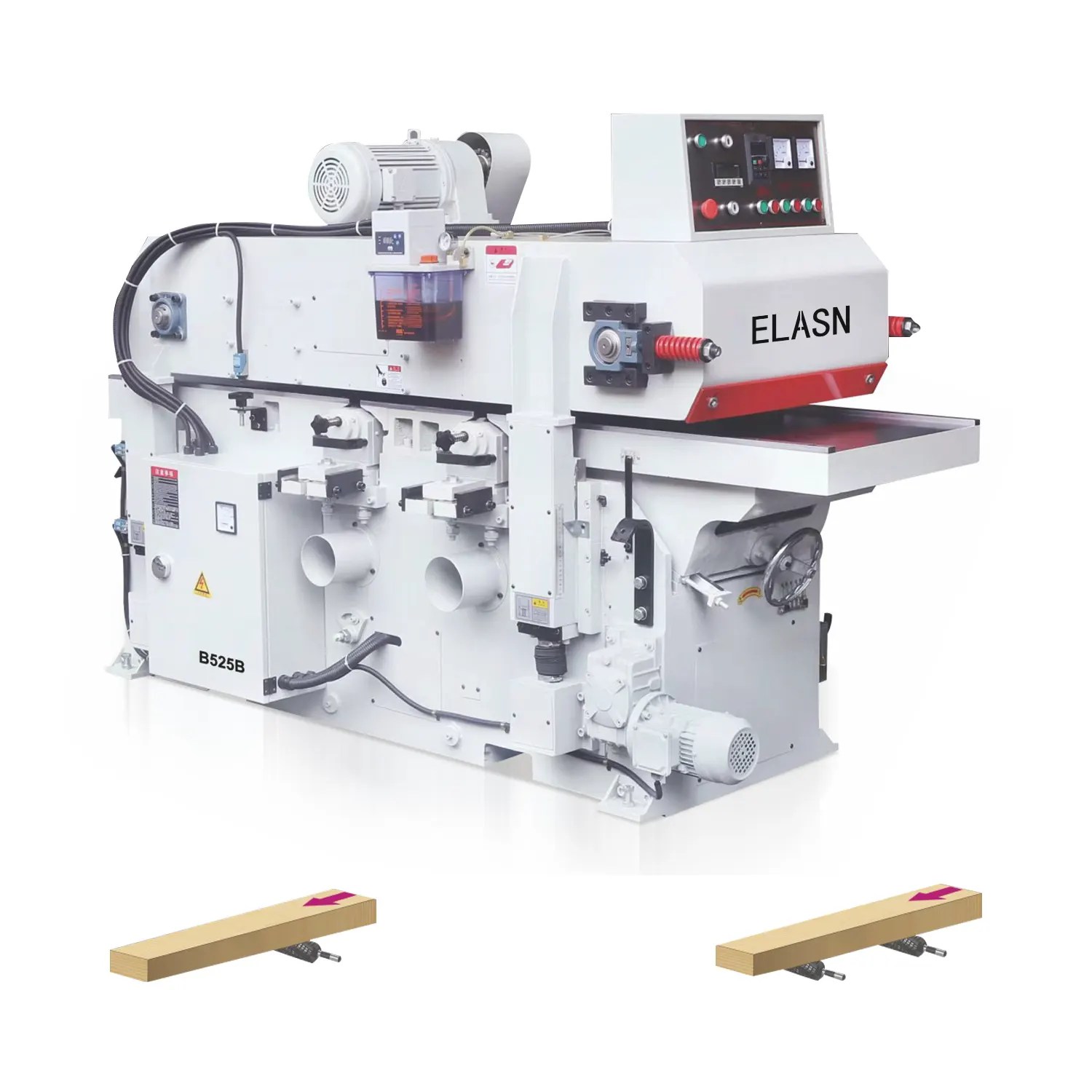
    162+ Woodworking Planer Machine

    Woodworking planer machine www.wood-saw.com

    Introduction: Building a DIY Planer Machine Want to flatten and smooth your woodworking projects without breaking the bank on a professional planer? Building your own DIY planer machine can be a rewarding project, offering significant cost savings and the satisfaction of creating your own tools. This guide will walk you through the process step-by-step. Be prepared for a time commitment and the need for basic woodworking and mechanical skills. Safety is paramount; always wear appropriate safety gear and follow all safety guidelines for power tools.
    Materials and Tools Before you start, gather all the necessary materials and tools. This list might vary slightly depending on your specific design choices, but it provides a solid foundation:
  • Materials:
  • Sturdy plywood sheets (various thicknesses, typically 3/4" and 1/2") for the frame and bed.
  • Hardwood strips for the bed runners and edge supports (e.g., maple, oak).
  • Threaded rods (typically 1/2" or 3/8") for height adjustment.
  • Nuts and washers compatible with the threaded rods.
  • Bearings (pillow block bearings or similar) to support the threaded rods.
  • A powerful router (ideally a plunge router).
  • Router bits (a flattening bit is essential; consider a surfacing bit for wider cuts).
  • Wood screws of various lengths.
  • Wood glue.
  • Sandpaper (various grits).
  • Finish (e.g., polyurethane, varnish).
  • Tools:
  • Table saw (for accurate cuts).
  • Miter saw (for angled cuts).
  • Drill/Driver.
  • Router table (optional, but highly recommended for controlled routing).
  • Wrenches (for tightening nuts).
  • Clamps.
  • Measuring tape/ruler.
  • Square.
  • Safety glasses.
  • Hearing protection.
  • Dust mask/respirator.
  • Step 1: Designing the Frame The frame is the foundation of your planer. It needs to be robust and stable to support the weight of the router and workpiece.
  • Plan your dimensions based on the largest workpiece you anticipate planing.
  • Cut the plywood pieces for the base, sides, and top of the frame. Consider using 3/4" plywood for the frame for added strength.
  • Assemble the frame using wood glue and screws. Ensure all corners are square and the frame is sturdy. Reinforce the corners with additional wood blocks if necessary.
  • Add supports to the top of the frame to provide a stable platform for the router mounting mechanism.
  • Step 2: Building the Adjustable Bed The adjustable bed allows you to control the thickness of the material being planed.
  • Cut the plywood for the bed. Typically 1/2" plywood is sufficient for the bed itself.
  • Attach hardwood runners to the underside of the bed. These runners will slide along the frame's rails, ensuring smooth movement.
  • Install threaded rods and bearings. The threaded rods will be used to raise and lower the bed. Mount the bearings on the frame to support the threaded rods.
  • Attach nuts to the bed that will engage with the threaded rods. This is what enables the up and down movement.
  • Test the bed's movement to ensure it raises and lowers smoothly without binding.
  • Step 3: Mounting the Router This is a critical step. A secure and stable router mount is essential for accurate planing.
  • Create a mounting plate for the router. This plate should be made from sturdy plywood or hardwood.
  • Attach the router to the mounting plate. Some routers have pre-drilled holes that can be used for mounting; otherwise, you may need to drill new holes.
  • Design a carriage system to allow the router to move smoothly across the width of the bed. This can be as simple as rails and supports made from hardwood. Linear bearings can also be used for a smoother, more precise movement.
  • Attach the router carriage to the frame ensuring it can move freely from one end of the bed to the other.
  • Step 4: Calibration and Testing Once everything is assembled, it's time to calibrate and test your planer.
  • Ensure the router bit is parallel to the bed. This is crucial for even planing. Use shims or adjustments to achieve parallelism.
  • Make test cuts on scrap wood. Start with a shallow cut and gradually increase the depth.
  • Check the surface for evenness. Adjust the router bit and bed height as needed until you achieve the desired results.
  • Sand the bed and apply a finish to reduce friction and protect the wood.
  • Conclusion: Refining Your DIY Planer Building a DIY planer is a challenging but rewarding project. Your initial build might require adjustments and refinements. Consider adding features like dust collection ports to minimize mess. Explore different router bits for various planing tasks. With careful construction and calibration, your DIY planer can provide years of service and significantly improve your woodworking capabilities. Remember to always prioritize safety and consult online resources for additional guidance and design ideas. Enjoy your new tool!

    Woodworking Surface Planer Machine

    Woodworking surface planer machine www.wood-saw.com

    Woodworking Planer Machine

    Woodworking planer machine www.wood-saw.com

    Woodworking Planer Machine

    Woodworking planer machine www.wood-saw.com
    Continue reading

    Senin, 10 November 2025

    148+ Decorative Wall Shelf

    50 top items in home decor stylecurator.com.au

    Introduction: Creating your own decorative wall shelf is a rewarding DIY project that allows you to customize your storage and display solutions to perfectly match your style and needs. This guide will walk you through a simple, yet stylish, shelf design that can be easily adapted to different sizes and materials.
    Materials Needed:
    • Wood planks (choose your preferred type and size)
    • Sandpaper (various grits)
    • Wood stain or paint (optional)
    • Wood sealant (optional)
    • Screws or nails
    • Wall mounting hardware (brackets, screws, anchors)
    • Wood glue (optional)
    • Measuring tape
    • Pencil
    • Saw (hand saw, circular saw, or miter saw)
    • Drill
    • Level
    Step 1: Planning and Measurement: First, determine the desired dimensions of your wall shelf. Consider the space where it will be installed and the items you intend to display. Measure and mark the wood planks according to your plan. Remember to account for the thickness of the wood if you are joining pieces.
    Step 2: Cutting the Wood: Carefully cut the wood planks to the marked dimensions. Use a saw that is appropriate for the type of wood you are using. If you're creating multiple shelves, ensure the pieces are cut consistently for a uniform look.
    Step 3: Sanding the Wood: Smooth all cut edges and surfaces of the wood planks using sandpaper. Start with a coarser grit (e.g., 80-grit) to remove any imperfections, then gradually move to finer grits (e.g., 120-grit, 220-grit) for a smooth finish. This step is crucial for a professional-looking result.
    Step 4: Assembling the Shelf (if applicable): If your design involves multiple pieces of wood (e.g., a shelf with sides or a box shelf), assemble them now. Apply wood glue to the edges that will be joined and clamp the pieces together. Then, reinforce the joints with screws or nails. Allow the glue to dry completely according to the manufacturer's instructions.
    Step 5: Staining or Painting (optional): If you want to stain or paint your shelf, now is the time. Apply the stain or paint evenly, following the manufacturer's instructions. Allow each coat to dry completely before applying another coat. If using stain, wipe off any excess stain after a few minutes.
    Step 6: Applying Sealant (optional): To protect the wood and enhance its durability, apply a wood sealant. This is especially important if the shelf will be in a humid environment or used for holding items that might spill. Allow the sealant to dry completely.
    Step 7: Attaching Mounting Hardware: Attach the wall mounting hardware (brackets) to the shelf. Position the brackets strategically based on the shelf's size and weight capacity requirements. Use screws that are appropriate for the thickness of the wood.
    Step 8: Mounting the Shelf: Use a level to mark the desired location for your shelf on the wall. Drill pilot holes if necessary, using a drill bit that is slightly smaller than the screws you will be using. Install wall anchors if needed, especially for heavier items or if mounting into drywall. Attach the shelf to the wall using screws. Ensure the shelf is level and securely mounted.
    Conclusion: Congratulations! You've successfully created your own decorative wall shelf. Step back and admire your handiwork. Now, you can proudly display your favorite items, adding a personal touch to your living space. Remember to regularly check the mounting hardware to ensure the shelf remains secure and level.

    Honeydak 5 Pieces Glass Mosaic Sphere Decorative Balls For Centerpiece Bowls Turquoise

    Honeydak 5 pieces glass mosaic sphere decorative balls for centerpiece bowls turquoise www.bidfta.com

    Decorative Wall Art Panels At Jeanette Young Blog

    Decorative wall art panels at jeanette young blog exourhuso.blob.core.windows.net

    50 Top Items In Home Decor

    50 top items in home decor stylecurator.com.au
    Continue reading

    Minggu, 09 November 2025

    177+ Woodworking Plans For Trestle Tables

    Trestle table drawing 1 www.pinterest.com

    ```html
    Opening: Build Your Own Trestle Table! Creating a trestle table is a rewarding DIY project that combines functionality with rustic charm. This guide will walk you through the process of building your own sturdy and stylish trestle table, perfect for dining, crafting, or as a statement piece in your home.
    Step 1: Gather Your Materials and Tools
  • Wood: Select your wood based on desired look and budget. Pine is affordable, while hardwoods like oak or maple provide durability and a premium aesthetic. You'll need wood for the tabletop, trestle legs, stretcher, and feet.
  • Tools: You'll need a saw (circular saw, miter saw, or hand saw), drill with various drill bits, wood screws, wood glue, clamps, measuring tape, pencil, sandpaper, and a finishing material (stain, paint, varnish, etc.). A router is helpful for edge detailing but not essential.
  • Step 2: Cut the Wood Carefully measure and cut all the wood pieces according to your desired table dimensions. Precise cuts are essential for a stable and aesthetically pleasing table. Common dimensions for a dining table are 6-8 feet long, 3-4 feet wide, and around 30 inches high.
  • Tabletop: Cut the planks for the tabletop to the desired length.
  • Trestle Legs: Cut four pieces of wood for the trestle legs, ensuring they are angled for stability.
  • Stretcher: Cut the stretcher to connect the trestle legs.
  • Feet: Cut the feet to provide a solid base for the trestles.
  • Step 3: Assemble the Trestle Legs Assemble the trestle legs using wood glue and screws. Ensure the legs are square and sturdy. Add the stretcher between the legs to increase stability. Clamp the pieces together while the glue dries.
    Step 4: Attach the Feet Secure the feet to the bottom of the trestle legs using wood glue and screws. The feet should be wide enough to provide a stable base for the table.
    Step 5: Prepare the Tabletop Join the tabletop planks together. You can use biscuits, dowels, or a pocket hole jig for added strength. Apply wood glue to the edges of the planks and clamp them tightly together until the glue dries.
    Step 6: Attach the Trestles to the Tabletop Position the trestles under the tabletop, ensuring they are evenly spaced and centered. Attach the trestles to the tabletop using screws. Predrill pilot holes to prevent the wood from splitting.
    Step 7: Sand and Finish Sand the entire table thoroughly, starting with a coarse grit sandpaper and gradually moving to a finer grit. This will create a smooth surface for finishing. Apply your chosen finish (stain, paint, varnish, etc.) according to the manufacturer's instructions. Allow the finish to dry completely between coats.
    Conclusion: Enjoy Your Handcrafted Trestle Table! Congratulations on building your own trestle table! This project not only provides a functional piece of furniture but also a sense of accomplishment. Your handcrafted table will be a conversation starter and a cherished addition to your home for years to come.
    ```

    Free Woodworking Plans For Trestle Tables

    Free woodworking plans for trestle tables guidewoodworking.blogspot.com

    Trestle Table Drawing 1

    Trestle table drawing 1 www.pinterest.com

    Trestle Table Plans Woodworking Blue Print Pdf

    Trestle table plans woodworking blue print pdf www.etsy.com
    Continue reading

    Sabtu, 08 November 2025

    133+ Easy Woodworking Projects For Teens

    Easy stock image cartoondealer.com

    Opening: Unleash Your Inner Woodworker! Are you looking for a fun and rewarding project that lets you build something awesome with your own hands? Look no further! This guide will walk you through creating a simple but stylish wooden phone stand. It's a perfect beginner project that will teach you basic woodworking skills. Let's get started!
    Materials You'll Need:
    • Wood: A small piece of softwood like pine or basswood (approximately 6" x 4" x 1").
    • Sandpaper: Different grits (120, 220).
    • Wood Glue: Any general-purpose wood glue.
    • Wood Finish: Varnish, stain, or paint (optional).
    • Clamps: Two small clamps will be helpful.
    Tools Required:
    • Saw: A hand saw or jigsaw.
    • Measuring Tape or Ruler.
    • Pencil.
    • Sanding Block.
    • Drill (optional): For adding a charging cable hole.
    Step 1: Design and Marking. Begin by sketching a simple design for your phone stand on a piece of paper. Consider the angle you want your phone to sit at. Then, transfer your design onto the wood using a pencil and ruler. A basic stand will usually have a base and an angled support. Aim for about a 70-degree angle for the phone support.
    Step 2: Cutting the Wood. Carefully cut out the pieces using your saw. If using a jigsaw, clamp the wood securely to a workbench for stability. Take your time and follow the lines you drew closely. Accuracy here is key to a well-fitting stand.
    Step 3: Sanding the Pieces. Use the 120-grit sandpaper to smooth out any rough edges or imperfections on all the cut pieces. Then, switch to the 220-grit sandpaper for a final, smoother finish. Sanding will give your project a professional look and feel. Be sure to sand with the grain of the wood.
    Step 4: Gluing the Pieces Together. Apply a thin, even layer of wood glue to the surfaces where the pieces will connect. Press the pieces firmly together, ensuring they are aligned according to your design.
    Step 5: Clamping and Drying. Use clamps to hold the glued pieces together while the glue dries. Wipe away any excess glue that squeezes out with a damp cloth. Allow the glue to dry completely according to the manufacturer's instructions (usually at least 24 hours).
    Step 6: Finishing (Optional). Once the glue is dry, you can apply a finish to your phone stand. Stain will enhance the natural wood grain, while paint allows for more colorful customization. Varnish will protect the wood and give it a glossy finish. Follow the instructions on your chosen finishing product.
    Step 7: Adding a Charging Cable Hole (Optional). If you want to charge your phone while it's on the stand, use a drill to create a hole in the base where the charging cable can pass through. Choose a drill bit size that's slightly larger than the diameter of your charging cable.
    Conclusion: Your DIY Phone Stand is Ready! Congratulations! You've successfully built your own wooden phone stand. This project is a great introduction to woodworking and provides a practical and stylish accessory. Experiment with different designs, wood types, and finishes to create unique phone stands for yourself, friends, and family. Enjoy!

    Configuring A Tunneler Should Be Quick And Easy

    Configuring a tunneler should be quick and easy blog.softwaretoolbox.com

    Easy Stock Image

    Easy stock image cartoondealer.com

    The Allure Of Easy: No Biggie... Except It's Killing Our Freedom

    The allure of easy: no biggie... except it's killing our freedom dailyclout.io
    Continue reading

    Jumat, 07 November 2025

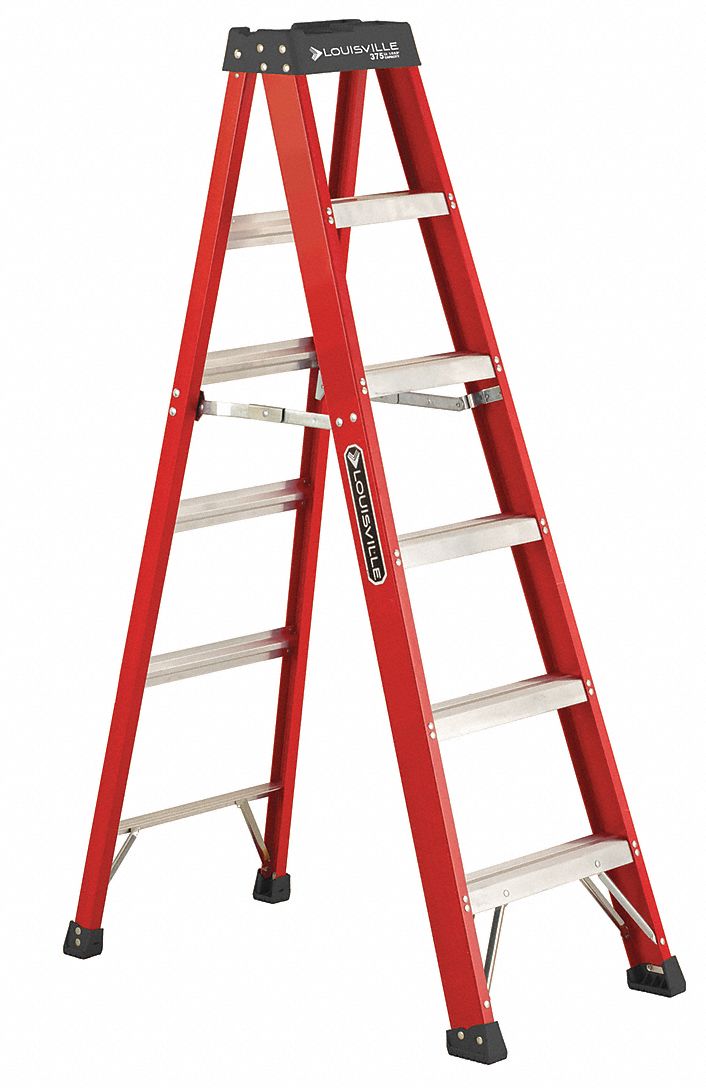
    123+ Ladder Shelf With Hooks And Baskets

    Louisville ladder, fiberglass, 375 lb load capacity, stepladder www.grainger.com

    Opening: Unleash Your Inner DIYer: Build a Charming Ladder Shelf with Hooks and Baskets! Tired of cluttered spaces and boring storage solutions? This step-by-step guide will walk you through creating a stylish and functional ladder shelf, complete with convenient hooks and rustic baskets. Get ready to add a touch of personality and organization to your home!
    Step 1: Gather Your Materials and Tools. Before you start building, make sure you have everything you need. This will save you time and frustration later.
    • Two 6-foot long 2x4 lumber pieces (for the sides of the ladder)
    • Four 18-inch long 1x6 lumber pieces (for the shelves)
    • One 24-inch long 1x4 lumber piece (for the top support)
    • Three to five decorative hooks
    • Three to five baskets (choose sizes that fit comfortably on the shelves)
    • Wood screws (1 1/4 inch and 2 inch)
    • Wood glue
    • Sandpaper (various grits)
    • Wood stain or paint (your choice of color)
    • Polyurethane or sealant (optional)
    • Measuring tape
    • Pencil
    • Saw (circular saw or hand saw)
    • Drill with drill bits
    • Screwdriver or power screwdriver
    • Clamps
    • Safety glasses
    • Work gloves
    Step 2: Prepare the Ladder Sides. The 2x4 lumber pieces will form the sides of your ladder shelf.
    1. Sand the 2x4 pieces to remove any splinters and rough edges. Start with a coarser grit sandpaper (e.g., 80 grit) and gradually move to a finer grit (e.g., 220 grit).
    2. Decide on the angle of your ladder. A steeper angle will make the shelf more stable, but also less deep. A gentler angle will provide more shelf depth, but might require extra support.
    3. Mark the angle on the bottom of each 2x4 piece. You can use a protractor or angle finder to ensure the angles are consistent.
    4. Cut the bottom of the 2x4 pieces at the marked angle using your saw.
    Step 3: Attach the Shelves. Now it's time to add the shelves to the ladder sides.
    1. Determine the spacing between your shelves. A common distance is 12-15 inches, but you can adjust this to suit your needs and the size of your baskets.
    2. Mark the shelf positions on the inside of both ladder side pieces. Use a measuring tape and pencil to ensure the marks are level and aligned.
    3. Apply wood glue to the edges of the 1x6 shelves where they will contact the ladder sides.
    4. Position the shelves on the marked locations and clamp them securely to the ladder sides.
    5. Pre-drill pilot holes through the ladder sides and into the edges of the shelves. This will prevent the wood from splitting when you insert the screws.
    6. Drive 1 1/4 inch wood screws through the ladder sides and into the shelves. Use at least two screws per shelf on each side.
    7. Allow the glue to dry completely according to the manufacturer's instructions.
    Step 4: Add the Top Support. The 1x4 top support will add stability to the ladder shelf.
    1. Position the 1x4 support piece horizontally across the top of the ladder sides, flush with the top edges.
    2. Apply wood glue to the ends of the 1x4 piece where they will contact the ladder sides.
    3. Clamp the support piece securely in place.
    4. Pre-drill pilot holes through the ladder sides and into the ends of the support piece.
    5. Drive 1 1/4 inch wood screws through the ladder sides and into the support piece.
    6. Allow the glue to dry completely.
    Step 5: Sand and Finish. Now it's time to prepare the shelf for staining or painting.
    1. Sand the entire ladder shelf to smooth out any rough edges and imperfections. Use progressively finer grits of sandpaper.
    2. Wipe away any sanding dust with a clean cloth.
    3. Apply your chosen wood stain or paint to the entire ladder shelf, following the manufacturer's instructions. Apply multiple thin coats for a more even finish.
    4. Allow the stain or paint to dry completely.
    5. (Optional) Apply a coat of polyurethane or sealant to protect the finish and make the shelf more durable.
    Step 6: Attach the Hooks. Add the decorative hooks to the ladder shelf to hang items.
    1. Decide on the placement of the hooks. Consider spacing them evenly or grouping them together.
    2. Mark the hook positions on the front of the ladder sides.
    3. Pre-drill pilot holes at the marked positions.
    4. Screw the hooks into place.
    Step 7: Add the Baskets. Place the baskets on the shelves.
    1. Choose baskets that are appropriately sized for the shelves.
    2. Arrange the baskets on the shelves in a way that is aesthetically pleasing and functional.
    Conclusion: Enjoy Your New DIY Ladder Shelf! Congratulations! You've successfully built your own ladder shelf with hooks and baskets. Now you can enjoy the added storage and style it brings to your home. Customize it with your favorite decorations and enjoy a clutter-free space!

    Louisville Ladder 8' Fiberglass Step Ladder, 12' Reach, 375 Lbs Load Capacity, Fs1308hd

    Louisville ladder 8' fiberglass step ladder, 12' reach, 375 lbs load capacity, fs1308hd www.walmart.com

    Upc 051751027532

    Upc 051751027532 www.upcitemdb.com

    Louisville Ladder, Fiberglass, 375 Lb Load Capacity, Stepladder

    Louisville ladder, fiberglass, 375 lb load capacity, stepladder www.grainger.com
    Continue reading

    Kamis, 06 November 2025

    101+ Kids Wooden Play Table

    Infographic: how do i get my kids outside? novakdjokovicfoundation.org

    ```html
    Introduction: Building a Kid's Wooden Play Table This post guides you through building a durable and fun wooden play table for kids. It's a great DIY project to customize to your child's preferences and space constraints. This project involves woodworking skills and tools, so adult supervision is essential when children are involved.
    Materials You'll Need:
    • Wood for the tabletop (plywood, solid wood boards, etc.) choose a size appropriate for the play area.
    • Wood for the legs (4x4 posts, or premade table legs).
    • Wood for the apron (supports that connect the legs to the tabletop).
    • Wood screws of various lengths.
    • Wood glue.
    • Sandpaper (various grits).
    • Primer and paint (child-safe, non-toxic).
    • Wood filler (optional, for filling imperfections).
    • Polyurethane or varnish (optional, for added protection).
    Tools You'll Need:
    • Measuring tape
    • Pencil
    • Saw (circular saw, jigsaw, or hand saw)
    • Drill with various drill bits
    • Screwdriver (or drill with screwdriver bits)
    • Sanding block or orbital sander
    • Clamps
    • Safety glasses
    • Dust mask
    • Paintbrushes or rollers
    Step 1: Prepare the Tabletop Measure and cut the tabletop wood to your desired size. Sand the edges and surface smooth, starting with a coarser grit sandpaper (e.g., 80 grit) and working your way up to a finer grit (e.g., 220 grit). If using plywood, you may want to edge-band it with iron-on veneer or solid wood strips to hide the raw edges. Fill any imperfections with wood filler, let it dry, and sand smooth.
    Step 2: Build the Apron The apron is the frame that connects the legs to the tabletop. Cut the apron pieces to the correct length, ensuring they fit snugly between the legs. Typically, the apron pieces are slightly shorter than the tabletop's dimensions to allow for a small overhang. The width of the apron is up to you, but 3-4 inches is a good starting point. Apply wood glue to the edges of the apron pieces and clamp them together. Pre-drill pilot holes and then screw the corners together to create a rectangular frame.
    Step 3: Attach the Legs Position the apron frame on the underside of the tabletop. Ensure it's centered and evenly spaced. Attach the legs to the inside corners of the apron, using wood glue and screws. Pre-drilling pilot holes is crucial to prevent the wood from splitting. Use clamps to hold the legs in place while the glue dries and you drive in the screws.
    Step 4: Reinforce the Table (Optional) For added stability, consider adding corner braces between the apron and legs. These can be simple triangular pieces of wood glued and screwed into place. You can also add extra support beams running between the apron pieces, especially for larger tables.
    Step 5: Sanding and Finishing Thoroughly sand the entire table, paying attention to any sharp edges or rough spots. Wipe away the sanding dust. Apply a coat of primer to the entire table, allowing it to dry completely. Then, apply several coats of paint, allowing each coat to dry before applying the next. Choose child-safe, non-toxic paints and finishes. Once the paint is dry, you can apply a coat of polyurethane or varnish for added protection and durability.
    Step 6: Final Touches Inspect the table for any remaining imperfections. If desired, you can add decorative elements such as stencils, painted designs, or even attach small storage bins to the sides. Double-check all screws are securely fastened.
    Conclusion: Enjoy Your New Play Table! Congratulations on building your own kid's wooden play table! It's a durable, customizable, and fun addition to any playroom. Always supervise children while they're using the table. Remember to choose safe materials and build with durability in mind to ensure years of enjoyment.
    ```

    Enroll Your Child In Preschool At O2b Kids In South Westshore

    Enroll your child in preschool at o2b kids in south westshore o2bkids.com

    Infographic: How Do I Get My Kids Outside?

    Infographic: how do i get my kids outside? novakdjokovicfoundation.org

    Kids N Fun.com

    Kids n fun.com fity.club
    Continue reading
     

    Woodworking Important Guide Copyright © 2016 | Powered by Blogger