

 furnioutdoorworld.com
 Introduction: Building Your Own Picnic Table Creating your own picnic table is a rewarding DIY project that enhances your outdoor space. Not only will you have a functional and stylish table, but you'll also gain a sense of accomplishment. This step-by-step guide will walk you through the process of building a sturdy and attractive picnic table, perfect for enjoying meals and gatherings in your backyard. Let's get started!
Materials and Tools Needed First, gather all the necessary materials and tools to ensure a smooth and efficient build. Wood: Pressure-treated lumber is recommended for outdoor use to resist rot and insects. You will need planks of various sizes, including 2x4s, 2x6s, and 4x4s depending on your design. A common size is (6) 2x6x8' for the table top and seats, (4) 4x4x8' for the legs and supports, and (2) 2x4x8' for bracing. Adjust based on desired table length. Fasteners: Galvanized or exterior-grade screws (various lengths) are essential for a strong and durable assembly. Consider using 3-inch and 2-inch screws. Tools:
- Measuring tape
- Pencil
- Circular saw or hand saw
- Drill with drill bits and screwdriver bits
- Sandpaper or sander
- Safety glasses
- Work gloves
- Square
Step 1: Cutting the Lumber Carefully measure and cut all the lumber according to your chosen picnic table design plans. A typical picnic table is 6 feet long, but you can adjust the dimensions to suit your needs. Accuracy in cutting is crucial for a well-constructed table. Label each piece after cutting to avoid confusion later on. Tabletop planks: Typically six 2x6 planks, each 6 feet long. Seat planks: Typically two 2x6 planks for each side, each 6 feet long. Legs: Four 4x4 posts, each approximately 29 inches long (adjust to desired table height). Support braces: Cut from 2x4 lumber, lengths will vary depending on the angle. Seat supports: Cut from 2x4 lumber, four pieces at a length dictated by your chosen seat design, typically around 17 inches.
Step 2: Assembling the Tabletop Begin assembling the tabletop by laying the six 2x6 planks side by side, ensuring they are flush and even. Use 2x4 boards as supports underneath, spacing them evenly. Attach the supports to the planks using screws, ensuring they are securely fastened. This creates a solid and stable tabletop. Position the 2x4 supports perpendicular to the tabletop planks. Space the supports evenly, one at each end and one in the middle. Use screws to attach the supports to the tabletop planks from the top.
Step 3: Constructing the Leg Assemblies Each leg assembly consists of a 4x4 leg post and a 2x4 seat support. Attach the seat support to the leg post using screws, creating a "T" shape. Repeat this process for all four legs. These assemblies will support both the tabletop and the seats. Ensure the seat support is positioned at the appropriate height for comfortable seating. Use strong, weather-resistant screws to secure the connection. Check for squareness to ensure stability.
Step 4: Attaching the Legs to the Tabletop Position the leg assemblies underneath the tabletop, ensuring they are evenly spaced and aligned with the edges of the table. Attach the leg assemblies to the tabletop supports using screws. Make sure the legs are securely fastened to the tabletop for stability. Use a square to ensure the legs are perpendicular to the tabletop. Consider using corner braces for added strength. Pre-drill holes to prevent splitting the wood.
Step 5: Adding the Seat Planks Attach the seat planks to the seat supports that are connected to the legs. Position the seat planks parallel to the tabletop, leaving an appropriate gap for comfortable seating. Secure the seat planks to the supports using screws. Ensure the seat planks are evenly spaced and aligned. Use screws long enough to penetrate both the seat plank and the support. Sand any rough edges for comfort.
Step 6: Adding Braces for Stability For added stability, especially if building a longer table, consider adding angled braces between the legs and the tabletop supports. These braces will help prevent the table from wobbling or collapsing under weight. Cut the braces from 2x4 lumber and attach them using screws. Measure the angle needed for the braces accurately. Use strong screws to securely attach the braces. Check the table for stability after adding the braces.
Step 7: Sanding and Finishing Once the picnic table is fully assembled, sand all surfaces to remove any rough edges or splinters. This will make the table more comfortable to use and prevent injuries. After sanding, consider applying a sealant or stain to protect the wood from the elements and enhance its appearance. Follow the manufacturer's instructions for applying the sealant or stain. Use progressively finer grits of sandpaper for a smooth finish. Apply the sealant or stain evenly. Allow the sealant or stain to dry completely before using the table.
Conclusion: Enjoying Your New Picnic Table Congratulations! You have successfully built your own picnic table. Now you can enjoy outdoor meals, gatherings, and activities with family and friends. Regularly inspect and maintain your picnic table to ensure its longevity and safety. With proper care, your DIY picnic table will provide years of enjoyment.
Outdoor Picnic Table
furnioutdoorworld.com Outdoor Picnic Table
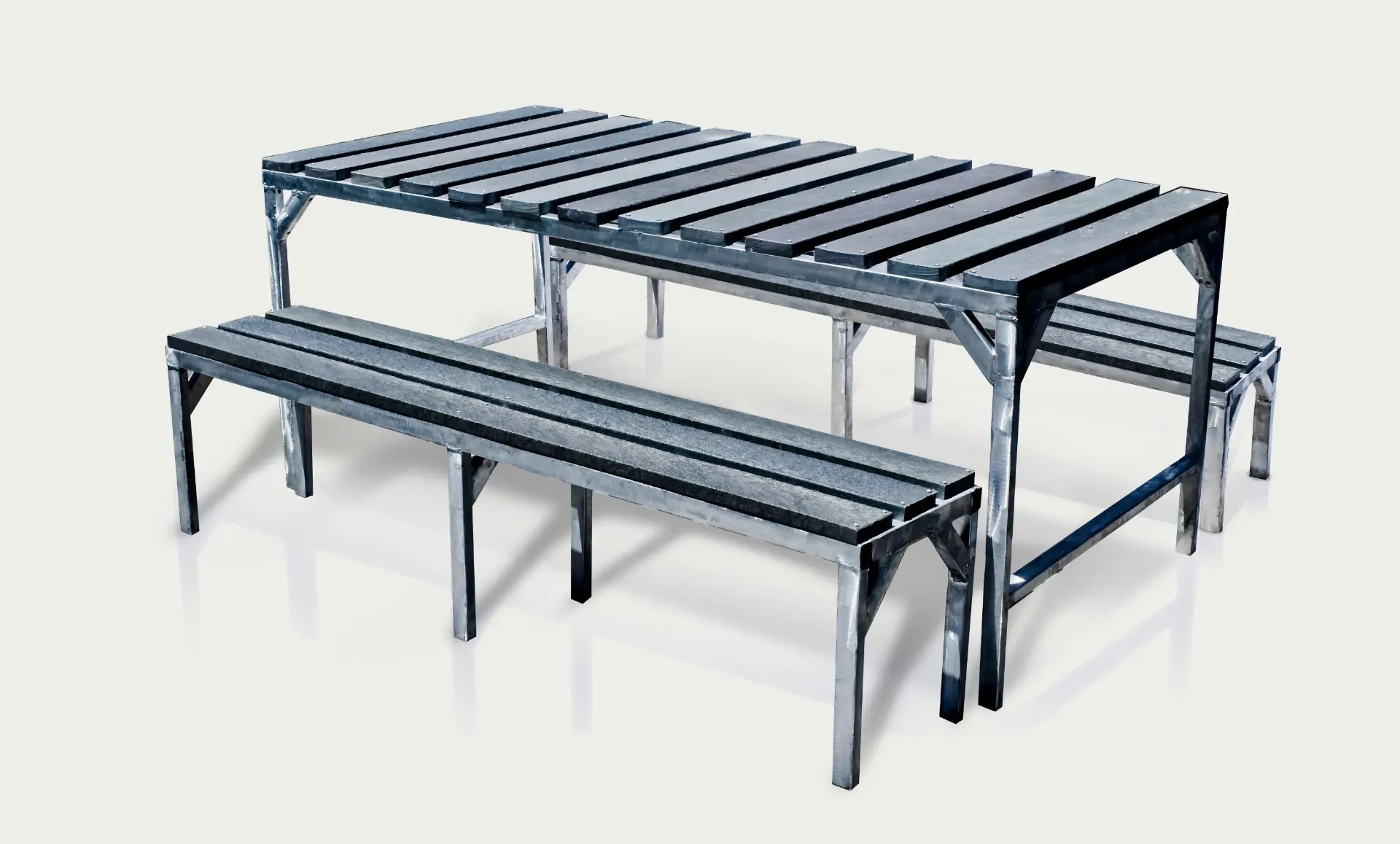 pathplastics.co.za
 Outdoor Picnic Table
 okomokooutdoorliving.com.au


0 komentar:
Posting Komentar