Selasa, 30 September 2025

180+ Coat Rack

Lyst lyst.com

Opening: Let's build a unique and functional coat rack! This DIY project uses readily available materials and simple tools to create a visually appealing and practical addition to your entryway, bedroom, or even office. No complicated joinery or woodworking experience is required, making this perfect for beginners. Get ready to unleash your creativity and declutter your space with this custom coat rack!
Materials You'll Need:
  • Wood Boards: Select the length and width to fit your needs and available space (e.g., one board 6ft long by 6in wide for the main structure and smaller boards for the base and hooks).
  • Wooden Dowels: Diameter depends on the desired size and style of your "branches." Choose a length that protrudes far enough to hold coats and bags.
  • Wood Glue: For strong and durable joints.
  • Wood Screws: Provide extra reinforcement.
  • Sandpaper: Various grits for smoothing the wood.
  • Wood Stain or Paint: To customize the look.
  • Protective Finish (polyurethane or varnish): For durability.
Tools You'll Need:
  • Measuring Tape: Ensure accurate measurements.
  • Pencil: For marking cutting lines and dowel positions.
  • Saw (Hand Saw or Power Saw): For cutting the wood boards to size.
  • Drill: To create holes for the dowels.
  • Drill Bits: Matching the diameter of your wooden dowels.
  • Screwdriver: For driving in wood screws.
  • Clamps: To hold the wood pieces together while the glue dries.
  • Safety Glasses: Protect your eyes from sawdust and debris.
  • Dust Mask: To avoid inhaling sawdust.
Step 1: Preparing the Wood: Begin by cutting your wood boards to the desired sizes. The large board will be the main structure of your coat rack. For the base, you could create a simple rectangular or square shape. If using reclaimed wood, clean and prepare it by removing any nails or debris.
Step 2: Sanding: Thoroughly sand all the wood pieces, starting with a coarser grit sandpaper and working your way to a finer grit. This will create a smooth surface for staining or painting. Pay special attention to the edges to round them over slightly.
Step 3: Marking Dowel Positions: Decide where you want to position your wooden dowels (the "branches") on the main board. Use a measuring tape and pencil to mark these locations. Consider staggering the dowels for a more visually appealing design. Remember to leave enough space between each dowel to prevent overcrowding.
Step 4: Drilling Dowel Holes: Using a drill bit that matches the diameter of your wooden dowels, drill holes at the marked locations. Drill deep enough to securely hold the dowels, but not all the way through the main board. Ensure the holes are straight for a clean and professional look.
Step 5: Attaching the Dowels: Apply wood glue to the inside of each drilled hole. Insert the wooden dowels into the holes and gently tap them in with a mallet, if needed. Make sure the dowels are securely in place and aligned as desired. Use clamps to hold the dowels in place while the glue dries completely.
Step 6: Building the Base: Assemble the base pieces using wood glue and screws. If you've opted for a rectangular base, glue and screw the pieces together to form the frame. Make sure the base is sturdy enough to support the weight of the coat rack and any items hanging on it.
Step 7: Attaching the Main Structure to the Base: Apply wood glue to the top of the base and carefully position the main board onto the base. Secure the main structure to the base with wood screws, driving them through the base into the main board. Use clamps to hold the assembly together while the glue dries.
Step 8: Sanding and Finishing: Once the glue is completely dry, sand the entire coat rack one last time to remove any imperfections. Wipe away any dust. Apply your chosen wood stain or paint to the coat rack. Allow the stain or paint to dry completely according to the manufacturer's instructions. Finally, apply a protective finish (polyurethane or varnish) to seal the wood and protect it from wear and tear.
Conclusion: Congratulations! You've successfully built your own unique and functional coat rack. Enjoy the satisfaction of creating something with your own hands and the added benefit of a tidy and organized space. Feel free to customize this project further with different wood types, stains, or paint colors to match your personal style. Happy building!

Navy Trench Coat

Navy trench coat www.moss.co.uk

Women's Kate Spade New York Belted Wool Blend Coat, Size X-small

Women's kate spade new york belted wool blend coat, size x-small www.fashiongonerogue.com

Lyst

Lyst lyst.com
Continue reading

Senin, 29 September 2025

72+ Woodworking Plans For Shelves

Woodworking plans shelves woodworking.great-site.net

Introduction: Building a Simple DIY Bookshelf This guide will walk you through the process of building a basic, functional bookshelf. Perfect for beginners, this project requires minimal tools and materials. We'll focus on a straightforward design using readily available lumber.
Materials You'll Need
  • Lumber: Typically, pine or plywood is used. Decide on the height, width, and depth of your shelf. A common size is 48" high x 36" wide x 12" deep. You'll need:
    • Two side pieces (48" x 12")
    • Shelves (36" x 12"). The number depends on how many shelves you want. Let's assume 3 shelves.
    • Top piece (36" x 12")
    • Backing material (optional): Plywood or hardboard (36" x 48")
  • Wood Screws: 1 1/4" or 1 5/8" wood screws are suitable.
  • Wood Glue
  • Sandpaper: Various grits (e.g., 120, 220)
  • Finishing Supplies: Paint, stain, polyurethane (optional)
  • Tools Required
  • Measuring Tape
  • Pencil
  • Saw: Circular saw, table saw, or hand saw
  • Drill/Driver
  • Clamps
  • Sanding Block or Power Sander
  • Safety Glasses
  • Hearing Protection
  • Step 1: Cutting the Wood Using your measurements, carefully cut the lumber for the sides, shelves, and top. Accuracy is key for a well-built shelf. Double-check your measurements before each cut. If you're using plywood, consider having a lumber yard cut it for you to ensure clean, straight edges.
    Step 2: Sanding the Pieces Sand all the pieces of wood, starting with a coarser grit (120) to remove any imperfections and then moving to a finer grit (220) for a smooth finish. Pay particular attention to the edges and corners.
    Step 3: Assembling the Bookshelf Frame Apply wood glue to the edges where the shelves will meet the sides. Position the shelves inside the two side pieces, ensuring they are evenly spaced. Use clamps to hold the pieces together while the glue dries. Then, pre-drill pilot holes to prevent the wood from splitting, and drive in the wood screws to secure the shelves to the sides.
    Step 4: Attaching the Top Apply wood glue to the top edges of the sides and the top shelf. Place the top piece on the frame, making sure it is flush with the edges. Clamp the top in place and pre-drill pilot holes before driving in screws to secure it.
    Step 5: Adding the Back (Optional) If you're using a backing, measure and cut the backing material to fit the back of the bookshelf. Apply glue to the back edges of the frame. Place the backing onto the glued frame and secure it with small nails or staples. This will add stability to the bookshelf.
    Step 6: Finishing Touches Sand any rough spots or uneven edges. Fill any screw holes with wood filler, let it dry, and sand it smooth. Now, you can apply your desired finish. This could be paint, stain, or a clear coat of polyurethane. Allow the finish to dry completely according to the manufacturer's instructions.
    Conclusion: Your DIY Bookshelf Congratulations! You've built your own bookshelf. This project is a great introduction to woodworking and provides a practical and customizable storage solution. You can adjust the dimensions and number of shelves to suit your specific needs. Enjoy your new bookshelf!

    Woodworking Plans Shelves

    Woodworking plans shelves woodworkingbusines.blogspot.com

    Woodworking Plans Shelves

    Woodworking plans shelves woodworking.great-site.net

    Woodworking Plans Shelves

    Woodworking plans shelves wolfrumplans.blogspot.com
    Continue reading

    Minggu, 28 September 2025

    192+ 16000 Teds Woodworking Plans Pdf Free Download

    東京メトロ16000系電車 16011 狛江駅 鉄道フォト・写真 by bbsanさん raillab.jp

    ```html
    Introduction: Building a Simple Wooden Birdhouse
    If you're looking for a rewarding and relatively easy DIY project, building a birdhouse is a great choice. It's a fun activity for all ages and provides a valuable habitat for birds in your yard. This guide will walk you through the process of constructing a basic wooden birdhouse using common materials and tools.
    Materials and Tools You'll Need
    Before you begin, gather the following:
    • Untreated wood (pine, cedar, or redwood are good choices) approximately 1 board foot
    • Wood glue
    • Nails or screws
    • Saw (hand saw, circular saw, or miter saw)
    • Drill with various sized drill bits (including a hole saw if desired for a larger entrance)
    • Measuring tape or ruler
    • Pencil
    • Sandpaper
    • Safety glasses
    • Optional: Wood stain or paint (exterior grade)
    Step 1: Cut the Wood Pieces
    Using the dimensions below as a guideline, cut the wood pieces according to the plan. Remember that slight variations are acceptable, but try to be as accurate as possible. This birdhouse design uses simple rectangles, making it easy to cut.
    • Front: 6 inches wide x 8 inches high
    • Back: 6 inches wide x 10 inches high
    • Sides (2 pieces): 6 inches wide x 7 inches high
    • Bottom: 6 inches wide x 6 inches deep
    • Roof (2 pieces): 6 inches wide x 8 inches deep
    Step 2: Assemble the Birdhouse Body
    Start by attaching the sides to the bottom piece. Apply wood glue to the edges of the bottom piece and then secure the sides to the bottom using nails or screws. Next, attach the front piece to the assembled base and sides, using glue and nails/screws. Finally, attach the back piece, ensuring it extends slightly above the sides to create a slight overhang for the roof. This overhang helps protect the entrance from rain.
    Step 3: Create the Entrance Hole
    Drill an entrance hole in the front piece. The size of the hole will determine which birds will be able to use the birdhouse. A 1 1/2 inch hole is suitable for larger birds like wrens, while a smaller hole is better for smaller birds. Position the hole about 2 inches down from the top of the front piece. Use a standard drill bit or a hole saw for a cleaner, larger hole.
    Step 4: Attach the Roof
    Attach the roof pieces to the top of the birdhouse. Apply wood glue to the top edges of the front, back, and side pieces, and then position the roof pieces so they overhang slightly on all sides. Secure the roof pieces with nails or screws. Ensure the roof pieces meet snugly at the peak.
    Step 5: Sand and Finish (Optional)
    Sand all the edges and surfaces of the birdhouse to remove any splinters or rough spots. If you choose to paint or stain the birdhouse, use an exterior-grade product to protect it from the elements. Avoid painting the inside of the birdhouse, as the fumes can be harmful to birds. Let the paint or stain dry completely before mounting the birdhouse.
    Step 6: Mounting the Birdhouse
    Choose a suitable location for your birdhouse. A tree, post, or side of a building are all good options. Make sure the location is relatively sheltered from strong winds and direct sunlight. Use screws or nails to attach the birdhouse securely to its mounting surface. Consider adding a predator guard to the entrance hole to protect the birds from squirrels and other animals.
    Conclusion: Enjoy Your New Birdhouse
    Congratulations! You've successfully built a simple wooden birdhouse. Now, sit back and enjoy watching the birds move in and make it their home. Regularly clean out the birdhouse after each nesting season to keep it a healthy and safe place for birds to raise their young. Happy bird watching!
    ```

    小田急電鉄 準急 相模大野行き2 東京メトロ16000系(平日夕方運行)

    小田急電鉄 準急 相模大野行き2 東京メトロ16000系(平日夕方運行) www.train.travel-lab.click

    東京地下鉄-16000系-16136f果て無き車両図鑑

    東京地下鉄-16000系-16136f</div>
<script type='text/javascript'>createSummaryAndThumb( Continue reading

    Jumat, 26 September 2025

    142+ Woodworking Plans For Child's Step Stool

    Afternoon funny meme dump 35 pics www.pinterest.com

    ```html
    Opening: Building a DIY Step Stool A Simple Project This guide will walk you through the process of building a sturdy and functional step stool. This is a great beginner woodworking project that requires minimal tools and materials. Get ready to create something useful for your home!
    Step 1: Gathering Your Materials and Tools First, you need to gather all the necessary materials and tools. This will make the building process smooth and efficient.
    • Materials: Lumber (pine or poplar work well), wood glue, screws, sandpaper, wood finish (stain, paint, varnish)
    • Tools: Saw (hand saw, circular saw, or miter saw), drill, screwdriver, measuring tape, pencil, clamps, safety glasses
    Step 2: Cutting the Wood Pieces Carefully measure and cut the wood pieces according to your chosen dimensions. Here's a sample dimension for a child's step stool (adjust as needed):
    • Top: 12" x 8" (2 pieces)
    • Legs: 6" x 3" (4 pieces)
    • Side Supports: 10" x 2" (2 pieces)
    • End Supports: 6" x 2" (2 pieces)
    Ensure all cuts are straight and accurate.
    Step 3: Assembling the Legs Begin by assembling the legs.
    1. Glue and screw two leg pieces together at a right angle to form each leg (creating 2 legs in total). Clamp until the glue dries.
    Step 4: Attaching the Side and End Supports Now, attach the side and end supports to the legs.
    1. Apply glue to the edges of the side supports that will contact the legs.
    2. Clamp and screw the side supports between the legs, ensuring they are flush with the top of the legs.
    3. Repeat for the end supports, gluing, clamping, and screwing them in place.
    Step 5: Attaching the Top Next, attach the top pieces to the frame.
    1. Apply glue to the top edges of the frame.
    2. Center one top piece on the frame, ensuring an overhang on all sides (usually about 1 inch).
    3. Screw the top piece to the frame from underneath.
    4. Repeat the process with the second top piece, aligning it next to the first top piece, leaving a slight gap between them.
    Step 6: Sanding and Finishing Now for the finishing touches!
    1. Sand all surfaces of the step stool to remove any sharp edges or splinters. Start with a coarser grit sandpaper (80-120) and finish with a finer grit (220).
    2. Wipe away any sanding dust.
    3. Apply your chosen wood finish (stain, paint, or varnish) according to the product instructions. Allow to dry completely between coats.
    Conclusion: Enjoy Your New Step Stool! Congratulations! You've successfully built your own step stool. It's now ready to be used for reaching high shelves or providing a boost for little ones. Enjoy your handmade creation!
    ```

    Afternoon Funny Meme Dump 35 Pics

    Afternoon funny meme dump 35 pics www.pinterest.com

    25 Must-know Tips For Woodworkers

    25 must-know tips for woodworkers www.obsessedwoodworking.com

    Have You Tried Turning It Off And On Again?, Shelf Sitter, Laser Engraved, Wooden Sign, It Crowd

    Have you tried turning it off and on again?, shelf sitter, laser engraved, wooden sign, it crowd www.etsy.com
    Continue reading

    Kamis, 25 September 2025

    147+ Plywood Cat House

    Plywood 2400x1200x12mm h3.1 premium pine v-groove www.plyguy.co.nz

    ```html
    Introduction: A Cozy Castle for Your Feline Friend Is your cat ruling the roost and demanding more luxurious accommodations? Then it's time to build a custom plywood cat house! This DIY project allows you to create a stylish and comfortable haven tailored to your cat's specific needs and your home's aesthetic. From a simple box with a window to a multi-level mansion, the possibilities are endless. This guide will walk you through the steps of building a basic, yet sturdy, plywood cat house. Get ready to unleash your inner carpenter and create a purr-fect retreat for your furry companion!
    Materials and Tools: Gather Your Arsenal Before you start building, gather all the necessary materials and tools. This will streamline the process and prevent frustrating interruptions. Here's a comprehensive list:
  • Plywood (approximately 1/2 inch thick): Determine the amount based on your desired cat house size.
  • Wood glue: For strong and durable bonds.
  • Screws (various sizes): For added stability.
  • Measuring tape: Accurate measurements are crucial.
  • Pencil: For marking cuts.
  • Saw (circular saw or jigsaw): For cutting the plywood.
  • Drill: For drilling pilot holes and driving screws.
  • Sandpaper (various grits): For smoothing rough edges.
  • Safety glasses: Protect your eyes!
  • Dust mask: Protect your lungs from sawdust.
  • Clamps: To hold pieces together while the glue dries.
  • Optional: Paint, stain, carpet scraps, decorative elements.
  • Step 1: Design and Planning The first step is to design your cat house and determine the dimensions. Consider your cat's size and preferences. Will it be a simple box, a multi-level structure, or something more elaborate? Draw a simple sketch with measurements for each panel (sides, top, bottom, front, back). Here's a basic example:
  • Bottom: 20" x 20"
  • Sides (2): 20" x 16"
  • Front/Back (2): 20" x 16"
  • Top: 21" x 21" (allowing for slight overhang)
  • Entrance Hole: Decide on the size and placement (e.g., 8" diameter).
  • Remember to factor in the thickness of the plywood when calculating dimensions to ensure a snug fit.
    Step 2: Cutting the Plywood Carefully measure and mark the plywood according to your design. Use a straight edge to ensure accurate lines. Wear safety glasses and a dust mask. Using the saw of your choice, carefully cut out each piece of plywood. If you're using a circular saw, secure the plywood to a stable surface with clamps. Take your time and double-check your measurements before cutting. Pay special attention to the entrance hole; use a jigsaw for a clean, rounded cut.
    Step 3: Assembly Now it's time to assemble the cat house. Apply wood glue to the edges of the bottom panel and attach the side panels. Use clamps to hold the pieces together while the glue dries. Pre-drill pilot holes to prevent the wood from splitting, then screw the side panels to the bottom panel for added strength. Repeat this process for the front and back panels. Ensure all panels are aligned correctly.
    Step 4: Adding the Top Once the sides, front, back, and bottom are securely attached, it's time to add the top. Apply wood glue to the top edges of the assembled box. Place the top panel on top and clamp it in place. Pre-drill pilot holes and screw the top panel to the sides, front, and back. Make sure the overhang (if any) is even on all sides.
    Step 5: Sanding and Finishing After the glue has dried completely, sand all the edges and surfaces of the cat house to remove any rough spots or splinters. Start with a coarse-grit sandpaper and gradually move to a finer grit for a smooth finish. Wipe away any sawdust with a clean cloth. At this point, you can choose to paint or stain the cat house to match your home décor. Use pet-safe paints or stains. Allow the paint or stain to dry completely before adding any further embellishments.
    Step 6: Personalization and Comfort Now comes the fun part! Personalize the cat house to make it extra special for your feline friend. Consider adding carpet scraps to the inside for comfort and warmth. You can also attach scratching posts to the sides. Add some catnip or a favorite toy to entice your cat to explore their new home. Get creative and make it a space your cat will truly love.
    Conclusion: A Happy Cat, A Happy Home Congratulations! You've successfully built a custom plywood cat house. With a little bit of planning, effort, and creativity, you've created a comfortable and stylish retreat for your beloved cat. Watch as they explore their new domain and make it their own. Enjoy the satisfaction of knowing that you built something special for your furry companion. Remember to regularly clean the cat house to keep it fresh and inviting. Now, sit back, relax, and enjoy the purrs of contentment from your happy cat.
    ```

    Plywood 2400x1200x12mm H3.1 Premium Pine V-groove

    Plywood 2400x1200x12mm h3.1 premium pine v-groove www.plyguy.co.nz

    What Is Plywood? Its Origin, Composition, And Characteristics

    What is plywood? its origin, composition, and characteristics www.homedit.com

    Plywood 2400x1200x12mm H3.1 Premium Pine V-groove

    Plywood 2400x1200x12mm h3.1 premium pine v-groove www.plyguy.co.nz
    Continue reading

    Rabu, 24 September 2025

    68+ Woodworking Plans For Beginners Pdf

    Free beginner woodworking plans [video] www.pinterest.com

    Introduction: Building a Simple Wooden Birdhouse This post will guide you through building a basic wooden birdhouse, perfect for beginner woodworkers. It's a simple project that requires minimal tools and materials, and it provides a welcoming home for your feathered friends. Get ready to create a charming addition to your garden!
    Materials and Tools: Before you begin, gather the following:
  • Wood: A single 6-foot long pine board (1x6 or similar) is usually sufficient. Untreated wood is best for birds.
  • Saw: Hand saw, circular saw, or jig saw
  • Measuring Tape
  • Pencil
  • Drill with drill bits
  • Screws or nails (exterior grade)
  • Sandpaper (medium grit)
  • Safety Glasses
  • Optional: Wood glue, paint/stain (bird-safe, non-toxic)
  • Step 1: Cutting the Wood Carefully measure and cut the wood pieces according to the following dimensions (these can be adjusted to your preference, but this is a good starting point):
  • Front: 6" wide x 8" high
  • Back: 6" wide x 10" high (this provides an overhang for mounting)
  • Sides (2): 6" wide x 7" high
  • Bottom: 6" wide x 6" deep
  • Roof (2): 6" wide x 8" deep
  • Use your chosen saw to make precise cuts. Accuracy in cutting will make assembly much easier.
    Step 2: Drilling the Entrance Hole and Drainage Holes On the front piece, measure and mark the center point for the entrance hole. A 2-inch diameter hole is suitable for many common bird species. Use a drill with a hole saw attachment or carefully drill around the perimeter with a smaller bit and then enlarge the hole. Drill 3-4 small drainage holes (1/4 inch) in the bottom piece.
    Step 3: Assembling the Birdhouse Body Start by attaching the sides to the bottom piece. Apply wood glue (optional, but recommended for extra strength) along the edges and then secure with screws or nails. Next, attach the front piece to the sides and bottom, again using glue and fasteners. Finally, attach the back piece, making sure the overhang extends above the top.
    Step 4: Attaching the Roof Attach the two roof pieces to the top of the birdhouse, overlapping them slightly in the center. Use glue and screws or nails to secure them firmly. Ensure the roof overhangs the front and back to protect the entrance from rain.
    Step 5: Sanding and Finishing Sand all edges and surfaces of the birdhouse to remove any splinters and create a smooth finish. If you choose to paint or stain the birdhouse, use bird-safe, non-toxic products. Avoid painting the inside of the birdhouse. Let the finish dry completely before mounting.
    Step 6: Mounting the Birdhouse Choose a suitable location for your birdhouse. Mount it to a tree, post, or wall, using screws through the back piece overhang. Consider the following when choosing a location: protection from predators, access to food and water, and avoiding direct sunlight.
    Conclusion: Enjoy Your New Birdhouse! Congratulations! You've built your own wooden birdhouse. Now, find a nice spot to install it, and soon you'll have some new feathered neighbors. Remember to clean out the birdhouse annually, after nesting season, to keep it a healthy and inviting home for birds.

    Free Beginner Woodworking Plans [video]

    Free beginner woodworking plans [video] www.pinterest.com

    Totaly Free Woodworking Project Plans Pdf

    Totaly free woodworking project plans pdf www.ultrawoodworking.com

    Woodworking Projects For Beginners: Free Pdf Guide

    Woodworking projects for beginners: free pdf guide worldofwoodcraft.com
    Continue reading

    Selasa, 23 September 2025

    154+ Fine Woodworking Magazine Uk

    Magazine www.finewoodworking.com

    Opening: A Charming DIY Birdhouse Project Building a birdhouse is a fantastic way to connect with nature, offer shelter to our feathered friends, and add a touch of rustic charm to your backyard or garden. This step-by-step guide will walk you through the process of creating a simple yet functional birdhouse using basic woodworking techniques. Let's get started!
    Step 1: Gathering Your Materials Before you begin, gather all the necessary supplies. This will save you time and ensure a smooth building process. Here's what you'll need:
  • Untreated Wood: Pine, cedar, or redwood are excellent choices (approximately 1 board foot). Avoid treated wood as it can be harmful to birds.
  • Wood Saw: A hand saw, jigsaw, or circular saw will work.
  • Drill: With various drill bits, including a pilot bit.
  • Screws or Nails: Exterior-grade screws or nails are recommended for durability.
  • Measuring Tape: For accurate measurements.
  • Pencil: For marking wood.
  • Sandpaper: For smoothing edges.
  • Wood Glue (optional): For extra strength.
  • Clamps (optional): To hold pieces together while glue dries.
  • Step 2: Cutting the Wood Pieces Now, let's cut the wood according to the following dimensions. These dimensions are for a small birdhouse, suitable for wrens or chickadees. Adjust the sizes as desired for larger birds.
  • Front: 6 inches wide x 8 inches high
  • Back: 6 inches wide x 10 inches high
  • Sides (2): 6 inches wide x 7 inches high
  • Bottom: 6 inches wide x 6 inches
  • Roof (2): 6 inches wide x 7 inches
  • Carefully measure and mark the wood before cutting. Use your chosen saw to cut each piece accurately. It's always a good idea to double-check your measurements.
    Step 3: Assembling the Birdhouse Body With all the pieces cut, it's time to assemble the main body of the birdhouse.
  • Start by attaching the sides to the bottom piece. Apply wood glue (optional) to the edges of the bottom piece and secure the sides using screws or nails. Make sure the sides are flush with the bottom.
  • Next, attach the front and back pieces to the sides and bottom, again using glue (optional) and screws or nails. The back piece should extend higher than the front, creating a slight angle for the roof.
  • Ensure all the pieces are square and properly aligned before securing them permanently. Clamps can be helpful in holding the pieces together while the glue dries.
  • Step 4: Creating the Entrance Hole The entrance hole is a crucial part of the birdhouse. Its size determines which bird species can use the house. A 1 1/8 inch diameter hole is ideal for wrens and chickadees.
  • Measure and mark the center of the front piece, about 2 inches down from the top.
  • Using a drill with a 1 1/8 inch hole saw (or a spade bit if you don't have a hole saw), carefully drill the entrance hole.
  • Sand the edges of the hole to remove any splinters.
  • Step 5: Attaching the Roof Now, let's install the roof.
  • Attach the two roof pieces to the top edges of the front and back pieces. Ensure the roof pieces overhang slightly on all sides.
  • Use wood glue (optional) and screws or nails to secure the roof in place.
  • The overhang will provide additional protection from the rain.
  • Step 6: Adding Drainage and Ventilation Drainage and ventilation are essential for a healthy birdhouse environment.
  • Drill a few small drainage holes (approximately 1/4 inch diameter) in the bottom of the birdhouse.
  • Drill a couple of small ventilation holes near the top of the side walls, just below the roof line.
  • Step 7: Sanding and Finishing (Optional) Sanding will smooth out any rough edges and improve the overall appearance of the birdhouse.
  • Sand all the surfaces of the birdhouse, paying particular attention to the edges and corners.
  • If desired, you can apply a non-toxic, water-based sealant or stain to the exterior of the birdhouse to protect it from the elements. Avoid using bright colors or intricate decorations, as these can deter birds.
  • Step 8: Mounting the Birdhouse Choose a suitable location for your birdhouse. It should be sheltered from strong winds and direct sunlight.
  • You can mount the birdhouse on a pole, tree, or building. If mounting on a tree, avoid using nails directly into the tree trunk. Instead, use rope or wire to secure the birdhouse to a branch.
  • Ensure the birdhouse is securely mounted to prevent it from falling.
  • Conclusion: Enjoy Your New Birdhouse! Congratulations! You've successfully built your own birdhouse. Now, sit back and enjoy watching the birds move in and make it their home. Remember to clean out the birdhouse annually, after the nesting season, to keep it a safe and healthy environment for your feathered residents. This simple project not only provides shelter but also brings the joy of nature right to your doorstep.

    Magazine

    Magazine www.finewoodworking.com

    Magazine

    Magazine www.finewoodworking.com

    Magazine

    Magazine www.finewoodworking.com
    Continue reading

    Senin, 22 September 2025

    89+ Outdoor Picnic Table

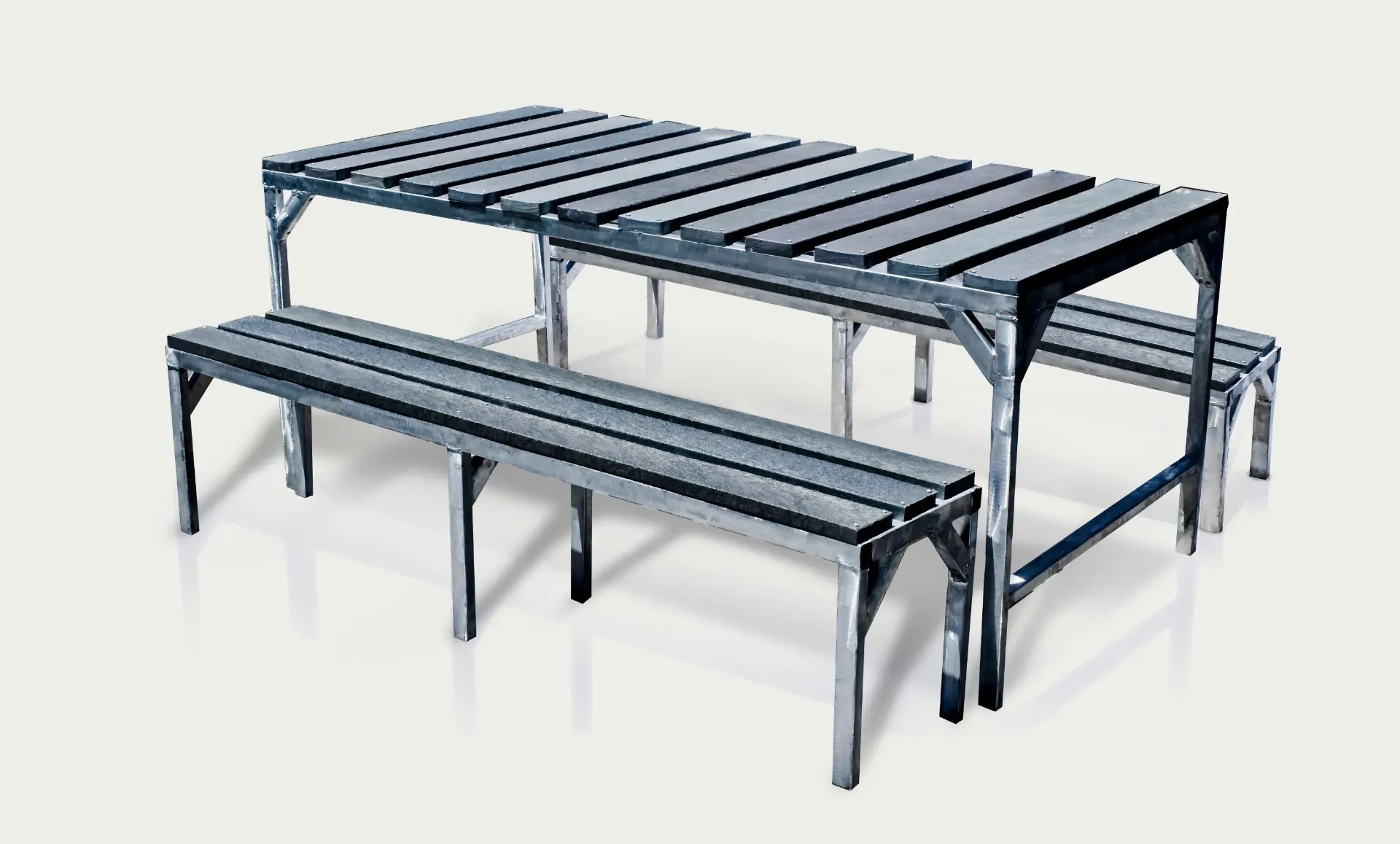
    Outdoor picnic table furnioutdoorworld.com

    Introduction: Building Your Own Picnic Table Ready to enjoy some outdoor dining in style? Building your own picnic table is a rewarding project that will provide years of enjoyment. This guide will walk you through each step, ensuring a sturdy and attractive table perfect for backyard barbecues, family gatherings, and relaxing afternoons. Let's get started!
    Step 1: Gathering Your Materials First things first, you'll need lumber, hardware, and the right tools. A detailed materials list will depend on the specific design you choose, but here's a general overview:
    • Pressure-treated lumber (for weather resistance)
    • Exterior-grade screws and bolts
    • Wood glue (exterior grade)
    • Measuring tape
    • Saw (circular saw or hand saw)
    • Drill with various bits
    • Wrench
    • Sander
    • Safety glasses
    • Gloves
    It's crucial to select pressure-treated lumber designed for outdoor use. Also, pre-planning the table's dimensions is key before purchasing lumber.
    Step 2: Cutting the Wood Using your measurements and cut list, carefully cut all the pieces of lumber to the correct sizes. Accuracy is important here to ensure a level and structurally sound table.
    • Start by marking the wood with a pencil and measuring tape.
    • Use a circular saw or handsaw to cut along the marked lines.
    • For precise cuts, consider using a miter saw.
    • Sand the edges of each piece after cutting to prevent splinters.
    Take your time and double-check your measurements before cutting. Safety glasses are essential during this step!
    Step 3: Assembling the Tabletop The tabletop is typically constructed by attaching the table boards to support pieces called cleats.
    • Lay the table boards side-by-side.
    • Position the cleats perpendicular to the boards, spaced evenly underneath.
    • Apply wood glue to the cleats where they will contact the table boards.
    • Secure the cleats to the table boards using screws. Ensure the screws are long enough to provide a strong hold, but not so long that they protrude through the top.
    Ensure all the boards are aligned for a smooth and even surface.
    Step 4: Building the Legs The legs are a crucial component for stability. They're usually made by creating a frame-like structure.
    • Cut the leg pieces according to your plan.
    • Assemble the leg frame by attaching the pieces together using screws, bolts and glue.
    • Ensure the legs are square and properly aligned. Using a carpenter square helps here.
    Double-check all measurements during assembly for even table height.
    Step 5: Attaching the Legs to the Tabletop Carefully position the legs underneath the tabletop and attach them securely.
    • Center the legs under the tabletop.
    • Use screws and bolts to attach the legs to the tabletop cleats. Consider adding metal brackets for extra strength.
    • Ensure the legs are firmly attached and the table is stable.
    Properly connecting the legs to the tabletop is paramount for a sturdy structure.
    Step 6: Building and Attaching the Benches The bench construction mirrors the tabletop process.
    • Cut the bench boards and cleats according to your plan.
    • Assemble the bench tops using glue and screws.
    • Build the bench legs in a similar fashion to the table legs.
    • Attach the bench legs to the bench tops.
    Ensure the benches are a comfortable height and distance from the table.
    Step 7: Finishing Touches Now it's time to refine the table and benches.
    • Sand all surfaces smooth.
    • Apply a weather-resistant sealant, stain, or paint to protect the wood and enhance its appearance.
    • Allow the finish to dry completely before using the table.
    Applying a finish adds years to the life of your new picnic table, and is a great way to make it your own.
    Conclusion: Enjoy Your Handiwork! Congratulations! You've successfully built your own picnic table. Now it's time to gather your friends and family, fire up the grill, and enjoy the fruits of your labor. This durable and attractive picnic table will provide countless hours of enjoyment for years to come.

    Outdoor Picnic Table

    Outdoor picnic table pathplastics.co.za

    Outdoor Picnic Table

    Outdoor picnic table furnioutdoorworld.com

    Outdoor Picnic Table

    Outdoor picnic table okomokooutdoorliving.com.au
    Continue reading

    Sabtu, 20 September 2025

    127+ Woodworking Glider Chair Plans Pdf Free Download

    Free outdoor glider chair plans woodworkingchallenge.com

    Here's a step-by-step guide on how to build a DIY Glider Chair. This project requires woodworking experience and access to woodworking tools. Be sure to wear appropriate safety gear, including safety glasses and hearing protection, throughout the project.
    Opening: Preparing for Your Glider Chair Project This guide will walk you through the process of building a comfortable and relaxing glider chair. Before you begin, carefully review all plans and instructions, and ensure you have a complete understanding of the steps involved. Accuracy in measurements and cuts is crucial for a successful outcome. Safety is paramount, so take precautions and work in a well-ventilated space.
    Step 1: Gathering Materials and Tools The first step is to gather all the necessary materials and tools. This will help streamline the building process and prevent interruptions later on. Your materials list should be comprehensive, based on the specific glider chair plans you have chosen. Remember to check wood dimensions. Commonly used materials include:
    • Kiln-dried hardwood (oak, maple, or poplar are good choices for durability)
    • Exterior-grade plywood (for certain parts, depending on the design)
    • Wood glue (exterior grade)
    • Screws (various sizes, appropriate for wood joinery)
    • Bolts and nuts (for attaching the gliding mechanism)
    • Sandpaper (various grits, for smoothing surfaces)
    • Wood finish (stain, paint, and/or sealant)
    Your tools should include:
    • Table saw
    • Miter saw
    • Jigsaw
    • Drill and drill bits
    • Router (optional, for shaping edges)
    • Sander
    • Clamps
    • Measuring tape
    • Square
    • Pencil
    • Safety glasses
    • Hearing protection
    Step 2: Cutting the Wood Pieces Using your chosen glider chair plans, begin cutting the wood pieces to the specified dimensions. Accuracy is key here. Use the table saw for straight cuts and the miter saw for angled cuts. Label each piece as you cut it to avoid confusion later. For curved pieces, use the jigsaw. When cutting, remember the width of the blade, it could change the sizes of each piece.
    Step 3: Assembling the Chair Frame With the wood pieces cut, start assembling the main frame of the chair. This typically involves joining the side supports, seat supports, and back supports. Use wood glue and screws for strong and durable joints. Clamps are essential for holding the pieces together while the glue dries. Ensure the frame is square and level before proceeding.
    Step 4: Building the Seat and Back Construct the seat and back of the chair. Depending on the design, this may involve attaching slats or using a solid piece of plywood. Ensure the seat and back are comfortable and provide adequate support. Consider adding padding or upholstery for added comfort.
    Step 5: Constructing the Gliding Mechanism The gliding mechanism is what gives the chair its gliding motion. This often involves building separate rocker arms or using pre-made gliding hardware. Carefully follow the instructions provided with your chosen plans or hardware. Ensure the gliding mechanism is properly aligned and securely attached to the chair frame. If you are building the mechanism yourself, make sure all moving parts are smooth and free from friction.
    Step 6: Attaching the Gliding Mechanism to the Chair Once the gliding mechanism is built, attach it to the chair frame. This usually involves using bolts and nuts. Ensure the gliding mechanism is securely attached and that the chair glides smoothly and evenly. Test the glider carefully and make any necessary adjustments.
    Step 7: Sanding and Finishing Sand all the wood surfaces to create a smooth and even finish. Start with a coarse grit sandpaper and gradually move to finer grits. Pay attention to any sharp edges or corners. After sanding, apply your chosen wood finish. This may involve staining, painting, and/or sealing the wood. Follow the manufacturer's instructions for application and drying times. Apply multiple coats for added protection and durability.
    Step 8: Adding Upholstery and Cushions (Optional) For added comfort, consider adding upholstery and cushions to the seat and back of the chair. This can be done using foam padding, fabric, and a staple gun. Choose fabrics that are durable and easy to clean. Consider adding decorative elements, such as buttons or piping.
    Conclusion: Enjoying Your New Glider Chair Congratulations! You have successfully built your own DIY glider chair. Carefully inspect your finished chair for any loose screws or bolts before use. Now, find a comfortable spot, relax, and enjoy the smooth gliding motion of your new chair. With proper care, this chair should last for many years.

    Free Outdoor Glider Chair Plans

    Free outdoor glider chair plans woodworkingchallenge.com

    Glider Chair Plans Pdf

    Glider chair plans pdf woodworkingmaya.blogspot.com

    Glider Chair Plans Pdf

    Glider chair plans pdf pictureofwoodworkingtools.blogspot.com
    Continue reading

    Jumat, 19 September 2025

    127+ Woodworking Plans For Humidor

    Woodworking wallpapers wallpaperaccess.com

    ```html
    Opening: Crafting Your Own Humidor A Woodworking Project
    Ever wanted to protect your precious cigars and enjoy them at their finest? Building your own humidor allows you to customize its size, design, and materials, resulting in a unique piece that perfectly suits your needs. This guide will walk you through the process step-by-step, from selecting your wood to seasoning your completed humidor.
    Step 1: Gather Your Materials and Tools
    Before you begin, ensure you have everything on hand. This will streamline the process and prevent frustrating interruptions.
    • Wood: Spanish cedar is the ideal interior wood due to its aroma and moisture-wicking properties. For the exterior, choose a hardwood that complements your style (cherry, walnut, mahogany, etc.). Aim for kiln-dried wood to minimize warping.
    • Hygrometer: An accurate hygrometer is crucial for monitoring humidity levels. Digital or analog are acceptable.
    • Humidifier: Choose a humidifier appropriate for the humidor's size. Options include sponge humidifiers, crystal humidifiers, or electronic humidifiers.
    • Woodworking Tools: Table saw, miter saw, router (optional for decorative edges), sandpaper (various grits), wood glue, clamps, measuring tape, pencil.
    • Finishing Supplies: Food-safe finish for the interior (optional but recommended), exterior finish (stain, varnish, lacquer).
    • Hardware: Hinges, magnetic catch (for lid closure).
    • Safety Gear: Safety glasses, dust mask, hearing protection.
    Step 2: Cut the Wood Pieces
    Carefully measure and cut the wood pieces for the humidor box. Accurate cuts are essential for a tight seal.
    • Determine Dimensions: Decide on the desired internal dimensions of your humidor based on your storage needs.
    • Cut Exterior Wood: Cut the top, bottom, and side pieces of the exterior wood to the appropriate sizes. Ensure they are square.
    • Cut Interior Spanish Cedar: Cut the Spanish cedar to create an inner lining for the box. The inner dimensions of the outer box are the outer dimensions of the Spanish cedar box.
    Step 3: Assemble the Humidor Box
    Glue and clamp the exterior and interior pieces together to form the box.
    • Exterior Box Assembly: Apply wood glue to the edges of the exterior wood pieces. Clamp them together tightly and allow the glue to dry completely according to the manufacturer's instructions. Check for squareness.
    • Spanish Cedar Lining: Apply wood glue to the inside of the exterior box. Insert the precut and assembled Spanish cedar lining. Ensure it fits snugly. Clamp in place and allow to dry completely.
    Step 4: Construct the Lid
    Create the lid, ensuring a snug fit with the box.
    • Cut Lid Pieces: Cut the exterior wood for the lid, slightly larger than the opening of the box.
    • Cut Lid Lining: Cut the Spanish cedar to create the inner lining for the lid. Make sure its slightly smaller than the outer lid.
    • Assemble Lid: Glue and clamp the lid pieces together. Consider adding a rabbet or lip to the lid for a better seal.
    Step 5: Install Hardware and Finishing Touches
    Attach the hinges, magnetic catch, and any decorative elements.
    • Hinge Installation: Attach the hinges to the box and lid, ensuring smooth operation.
    • Magnetic Catch: Install the magnetic catch to keep the lid securely closed.
    • Sanding: Sand all surfaces of the humidor box and lid to a smooth finish.
    • Finishing: Apply the desired finish to the exterior of the humidor. If desired, apply food-safe sealant/finish to the Spanish cedar lining. Follow the manufacturer's instructions for application and drying times.
    Step 6: Install Hygrometer and Humidifier
    Place the hygrometer and humidifier inside the humidor. Ensure they are securely mounted.
    • Hygrometer Placement: Install the hygrometer in a visible location inside the humidor.
    • Humidifier Placement: Place the humidifier inside the humidor. Some humidifiers may be mounted to the lid.
    Step 7: Seasoning the Humidor
    This is a critical step to properly hydrate the Spanish cedar.
    • Wipe Down Interior: Use a distilled water-dampened cloth to gently wipe down all the interior Spanish cedar surfaces. Do NOT oversaturate.
    • Humidification: Fill your humidifier with distilled water or a propylene glycol solution (follow humidifier instructions). Place it inside the humidor.
    • Monitor Humidity: Close the humidor and monitor the humidity level. Aim for 70-72% RH. This may take several days. Re-dampen the cloth and refill the humidifier as needed.
    • Stabilization: Once the humidity stabilizes, maintain it at the desired level for at least a week before storing your cigars.
    Conclusion: Enjoy Your Handcrafted Humidor
    Congratulations! You've successfully built your own humidor. With proper care and maintenance, it will provide the perfect environment for your cigars for years to come. Regularly monitor the humidity level and replenish the humidifier as needed to keep your cigars in optimal condition.
    ```

    Woodworking Wallpapers

    Woodworking wallpapers wallpaperaccess.com

    Woodworking

    Woodworking 4hab.com

    24 Must-have Woodworking Tools For Your Workshop

    24 must-have woodworking tools for your workshop www.grainger.com
    Continue reading

    Kamis, 18 September 2025

    69+ Easy Woodworking Projects Blueprints

    Going solar is as easy as 1-2-3 www.brilliantharvest.com

    Introduction: Building a Simple Wooden Birdhouse
    Want to attract feathered friends to your yard? Building a simple wooden birdhouse is a rewarding and easy woodworking project, perfect for beginners. This guide will walk you through each step, from gathering materials to final assembly. Let's get started!
    Materials and Tools You'll Need:
    • Wood (pine, cedar, or redwood are good choices): Approximately 1 board foot (12" x 12" x 1")
    • Wood Glue
    • Nails or Screws (1 1/4" size recommended)
    • Measuring Tape
    • Pencil
    • Saw (hand saw, circular saw, or jigsaw)
    • Drill with Drill Bits (various sizes, including a bit for the entrance hole)
    • Hammer or Screwdriver
    • Sandpaper (medium grit)
    • Clamps (optional, but helpful)
    • Safety Glasses
    • Dust Mask
    • Exterior Paint or Stain (optional)
    Step 1: Cutting the Wood Pieces
    Measurements: This example birdhouse will have a slanted roof. Adjust measurements as needed for your desired design.
  • Front: 6" wide x 8" high
  • Back: 6" wide x 10" high (extended for roof slant)
  • Sides: 6" wide x 7" high (cut two of these)
  • Bottom: 6" wide x 6" deep
  • Roof: 6" wide x 8" deep (cut two of these)
  • Using your measuring tape and pencil, carefully mark the wood pieces according to the dimensions above. Use your saw to cut along the marked lines, ensuring clean and accurate cuts. Remember to wear safety glasses and a dust mask while sawing.
    Step 2: Assembling the Birdhouse Box
    Apply wood glue to the edges of the bottom piece. Attach the two side pieces to the bottom, ensuring they are flush and square. Use clamps to hold the pieces together while the glue dries. If you don't have clamps, you can use nails or screws to secure the sides immediately. Attach the front piece to the bottom and sides, again using glue and nails/screws. Finally, attach the back piece to the bottom and sides. The back piece should extend above the sides to create the slanted roof.
    Step 3: Attaching the Roof
    Apply wood glue to the top edges of the front, back, and side pieces. Position the two roof pieces on top, overlapping slightly at the peak. Use nails or screws to secure the roof pieces to the side and back pieces. Ensure the roof is aligned properly and that there are no large gaps.
    Step 4: Drilling the Entrance Hole
    Choose the desired diameter for the entrance hole based on the type of bird you want to attract. A 1 1/2" hole is suitable for many common songbirds. Use your drill and the appropriate-sized drill bit to create the entrance hole in the center of the front piece, about 2 inches from the top.
    Step 5: Sanding and Finishing
    Use sandpaper to smooth all the edges and surfaces of the birdhouse. This will remove any splinters and create a more refined finish. If desired, you can apply an exterior paint or stain to protect the wood and add color. Be sure to use a non-toxic paint or stain that is safe for birds. Allow the paint or stain to dry completely before mounting the birdhouse.
    Step 6: Mounting the Birdhouse
    Choose a suitable location for your birdhouse, such as a tree branch or a post. Ensure the location is sheltered from strong winds and direct sunlight. You can attach a mounting bracket to the back of the birdhouse or simply drill holes through the back piece and use screws to secure it to the tree or post. Make sure the birdhouse is securely mounted and stable.
    Conclusion: Enjoy Your New Birdhouse!
    Congratulations! You have successfully built a simple wooden birdhouse. Now, sit back and enjoy watching the birds move in and make it their home. Remember to clean out the birdhouse annually to keep it a safe and healthy environment for your feathered friends. Enjoy the beauty of nature in your backyard!

    Simple Horse Sketch

    Simple horse sketch animalia-life.club

    The Easy Way To Eliminate Algae

    The easy way to eliminate algae www.lukeroofing.com

    Going Solar Is As Easy As 1-2-3

    Going solar is as easy as 1-2-3 www.brilliantharvest.com
    Continue reading

    Rabu, 17 September 2025

    65+ Wall-Mounted Organizer

    Background of brick wall texture or brick wall pattern for interior exterior decoration and www.vecteezy.com

    Here's a step-by-step guide on how to build a DIY wall-mounted organizer:
    Introduction: Wall-mounted organizers are a fantastic way to declutter your space and keep essentials readily accessible. This project is customizable to fit your specific needs, whether it's for the entryway, kitchen, or home office. This guide outlines the process for building a versatile and functional wall-mounted organizer.
    Materials You'll Need:
  • Plywood sheet (size depends on your desired organizer dimensions)
  • Pine boards (for shelves and side supports)
  • Wood screws (various sizes)
  • Wood glue
  • Sandpaper (various grits)
  • Primer
  • Paint or stain
  • Hooks or knobs (optional, for hanging items)
  • Wall mounting hardware (screws, anchors)
  • Measuring tape
  • Pencil
  • Saw (circular saw, miter saw, or hand saw)
  • Drill with various drill bits
  • Screwdriver
  • Clamps
  • Level
  • Step 1: Planning and Design: Before you start cutting wood, plan out the dimensions and layout of your organizer. Consider what you want to store in it. Sketch a design, noting the width, height, and depth of the entire organizer, as well as the placement and size of shelves and any additional features like hooks. This detailed planning will help prevent mistakes later on.
    Step 2: Cutting the Wood: Using your measurements and a saw, cut the plywood sheet to create the back panel of the organizer. Then cut the pine boards to the desired lengths for the shelves and side supports. Ensure accurate and straight cuts for a professional-looking finish. Double-check all dimensions before proceeding.
    Step 3: Assembling the Frame: Attach the side supports to the back panel using wood glue and screws. Pre-drill pilot holes to prevent the wood from splitting. Clamp the pieces together until the glue dries. Ensure the side supports are perpendicular to the back panel by using a carpenter's square.
    Step 4: Installing the Shelves: Mark the positions for the shelves on the inside of the side supports. Apply wood glue to the edges of the shelves and screw them into place, again pre-drilling pilot holes first. Use a level to make sure the shelves are perfectly horizontal. Clamps can hold the shelves in place while the glue sets.
    Step 5: Sanding and Finishing: Once the glue is completely dry, sand all surfaces of the organizer, starting with a coarser grit sandpaper and gradually moving to a finer grit. This will smooth out any rough edges and prepare the wood for finishing. Wipe away any dust with a clean cloth. Apply a coat of primer and let it dry completely. Then, paint or stain the organizer to your desired color. Allow the finish to dry thoroughly.
    Step 6: Adding Hardware: If you want to add hooks or knobs for hanging items, mark their positions and drill pilot holes. Screw the hooks or knobs into place. Consider adding a small lip to the shelves using additional thin strips of wood to prevent items from sliding off.
    Step 7: Mounting the Organizer: Use appropriate wall mounting hardware (screws and anchors) to attach the organizer to the wall. Locate studs in the wall for secure attachment. If you can't attach directly to studs, use wall anchors that are rated to hold the weight of the organizer and the items you will be storing in it. Use a level to ensure the organizer is mounted straight.
    Conclusion: You have now successfully built a DIY wall-mounted organizer. This personalized storage solution provides a functional and stylish way to keep your space organized. Remember to adjust the design and materials based on your individual needs and preferences.

    File:concrete Wall.jpg

    File:concrete wall.jpg commons.wikimedia.org

    100,000+ Best Wall Photos · 100% Free Download · Pexels Stock Photos

    100,000+ best wall photos · 100% free download · pexels stock photos www.pexels.com

    Background Of Brick Wall Texture Or Brick Wall Pattern For Interior Exterior Decoration And

    Background of brick wall texture or brick wall pattern for interior exterior decoration and www.vecteezy.com
    Continue reading

    Selasa, 16 September 2025

    160+ Free Printable Woodworking Plans For Beginners Pdf

    Free printable tax deduction worksheets printablesworksheets.com

    ```html
    Introduction: The Allure of DIY Woodworking
    Want to try your hand at woodworking but feel overwhelmed? This guide will walk you through building a simple, beginner-friendly project: a small wooden box. It's a great way to learn basic woodworking techniques without needing fancy tools or complicated plans. Get ready to create something useful and satisfying with your own hands!
    Step 1: Gathering Your Supplies
    Before you start, make sure you have everything you need. Here's a list of essential supplies:
  • Wood: Choose a softwood like pine or poplar. A 1x6 board (actual dimensions will be closer to ¾ inch thick and 5 ½ inches wide) is a good starting point. You'll need approximately 3-4 feet of it.
  • Saw: A handsaw (crosscut saw) is fine for smaller projects, but a circular saw or miter saw will make more accurate and faster cuts.
  • Measuring Tape or Ruler: Accuracy is important for a clean, professional-looking box.
  • Pencil: For marking your cuts.
  • Wood Glue: Essential for strong joints.
  • Clamps: To hold the pieces together while the glue dries. You'll need at least two.
  • Sandpaper: Various grits (80, 120, 220) for smoothing the wood.
  • Finishing Material: Varnish, stain, or paint, depending on your desired look.
  • Safety Glasses: Always protect your eyes.
  • Optional: Square: To ensure your cuts are perfectly square.
  • Step 2: Cutting the Wood
    This box will be made of 5 pieces: four sides and a bottom. Let's assume we want a box that's roughly 6 inches long, 4 inches wide, and 3 inches tall. (These measurements can be altered to your preferences)
  • Side Pieces (2): Cut two pieces of wood to 6 inches long.
  • End Pieces (2): Cut two pieces of wood to 4 inches long.
  • Bottom Piece (1): Cut one piece of wood to 6 inches long and 4 inches wide.
  • Remember to measure carefully and cut accurately. It's better to cut slightly long and then sand down to the exact size than to cut too short. Use your safety glasses!
    Step 3: Assembling the Box
    Now it's time to put the pieces together.
  • Apply Wood Glue: Apply a thin, even layer of wood glue to the edges of the side and end pieces where they will join.
  • Assemble the Box: Place the side and end pieces together to form a rectangle. Make sure the corners are square. The bottom of the box will attach on the bottom edge of this rectangle.
  • Clamp the Box: Use clamps to hold the box together tightly. The clamps should apply even pressure to ensure a strong bond.
  • Let the Glue Dry: Allow the glue to dry completely according to the manufacturer's instructions (usually 24 hours).
  • Attach the Bottom: Apply glue to the bottom edges of the assembled box. Place the bottom piece on top and clamp it in place. Let dry completely.
  • Step 4: Sanding and Finishing
    Once the glue is completely dry, it's time to sand and finish your box.
  • Sanding: Start with a coarser grit sandpaper (80 or 120) to remove any imperfections or dried glue. Then, move to finer grits (120, 220) to smooth the surface. Sand with the grain of the wood.
  • Finishing: Choose your desired finish. You can stain the wood to change its color, or apply varnish or paint for protection and aesthetics. Apply the finish according to the manufacturer's instructions. Several thin coats are usually better than one thick coat. Allow each coat to dry completely before applying the next. Lightly sand between coats for an ultra-smooth finish.
  • Conclusion: Your First Woodworking Project Complete!
    Congratulations! You've successfully built a simple wooden box. This project has introduced you to basic woodworking skills that you can build upon for more complex projects. Remember to always prioritize safety and take your time. With practice, you'll be creating beautiful and functional woodworking pieces in no time.
    ```

    Free Printable Large Tree Templates

    Free printable large tree templates adamprintables.com

    Free Printable Ww2 Coloring Pages

    Free printable ww2 coloring pages esle.io

    Free Printable Tax Deduction Worksheets

    Free printable tax deduction worksheets printablesworksheets.com
    Continue reading
     

    Woodworking Important Guide Copyright © 2016 | Powered by Blogger